Garage Doors in Ellesmere, OntarioDoors for the shop,the bay and the warehouse.
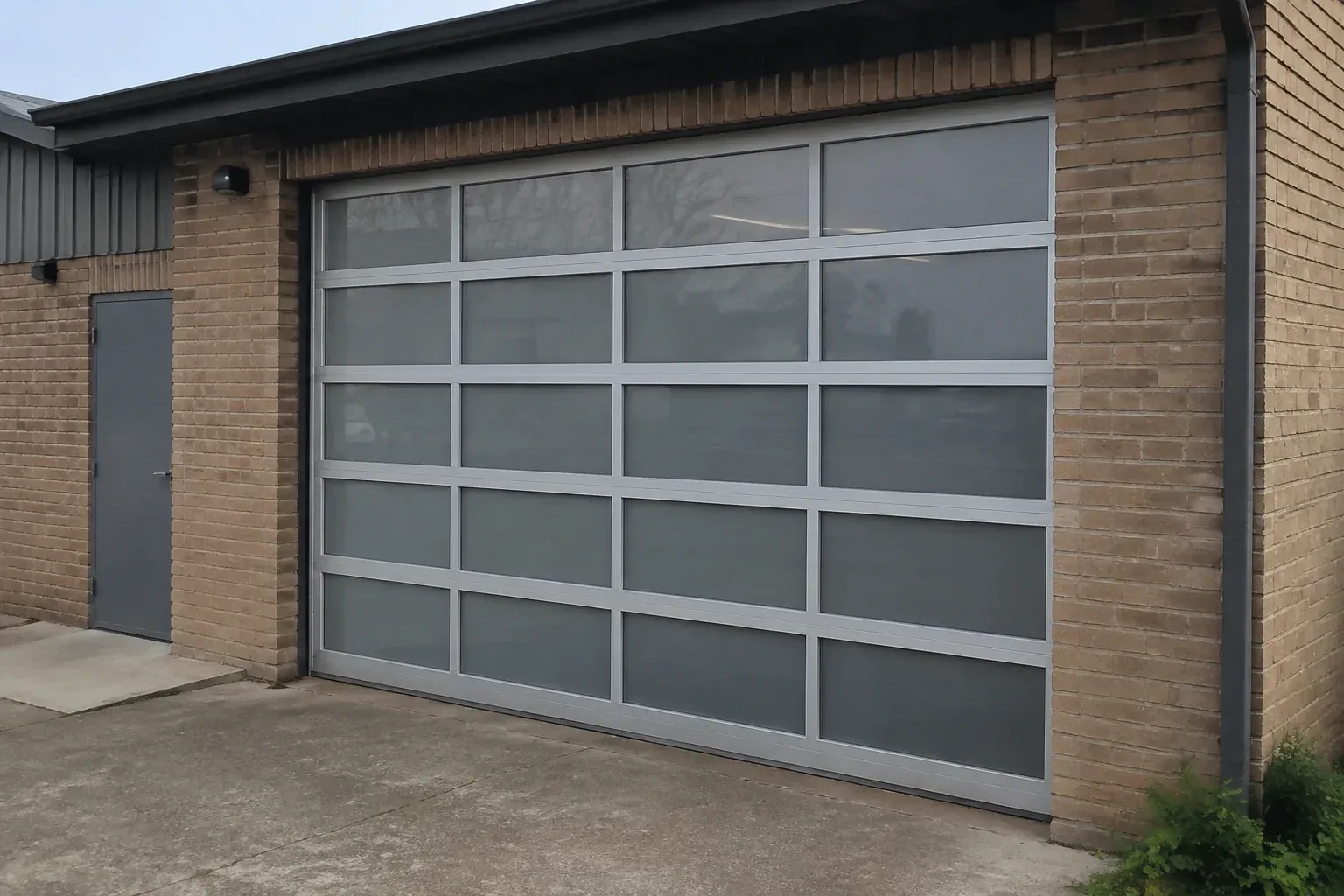
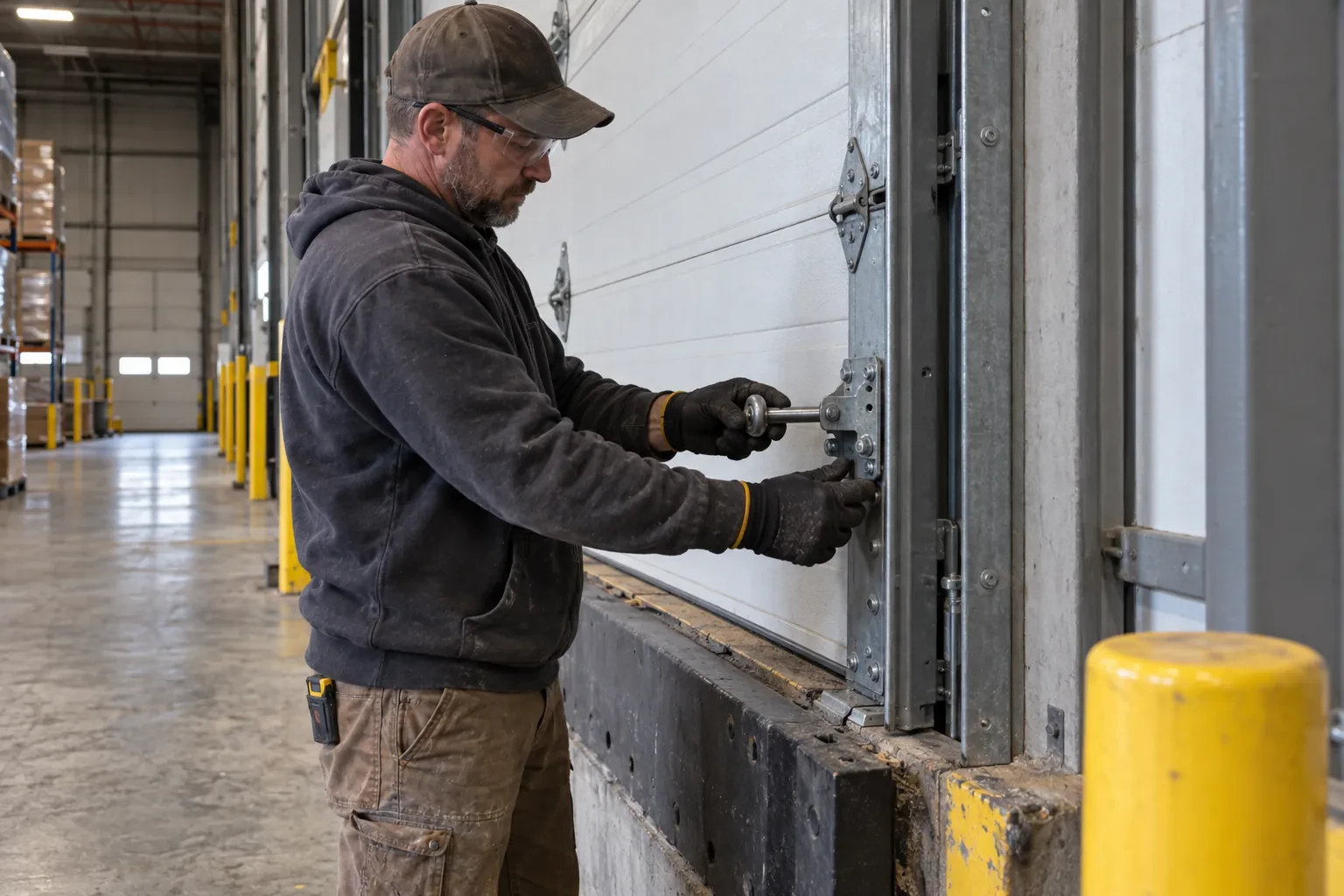
Commercial sectional and rolling steel doors around Ellesmere take thousands of cycles a year and the occasional knock from a forklift. We service them with heavy-duty springs, industrial operators and hardware chosen for the work they actually do, and we plan the visit around your opening hours.
Commercial sectional and rolling steel doors around Ellesmere take thousands of cycles a year and the occasional knock from a forklift. We service them with heavy-duty springs, industrial operators and hardware chosen for the work they actually do, and we plan the visit around your opening hours.
Open, close, repeat, for years.
Customers in Ellesmere sometimes worry they will be sold a new door when a repair would do. Our practice is the opposite. Repairs are the first choice whenever the panels and frame are sound; replacement is recommended only when the door has genuinely reached its end, and we show you why.
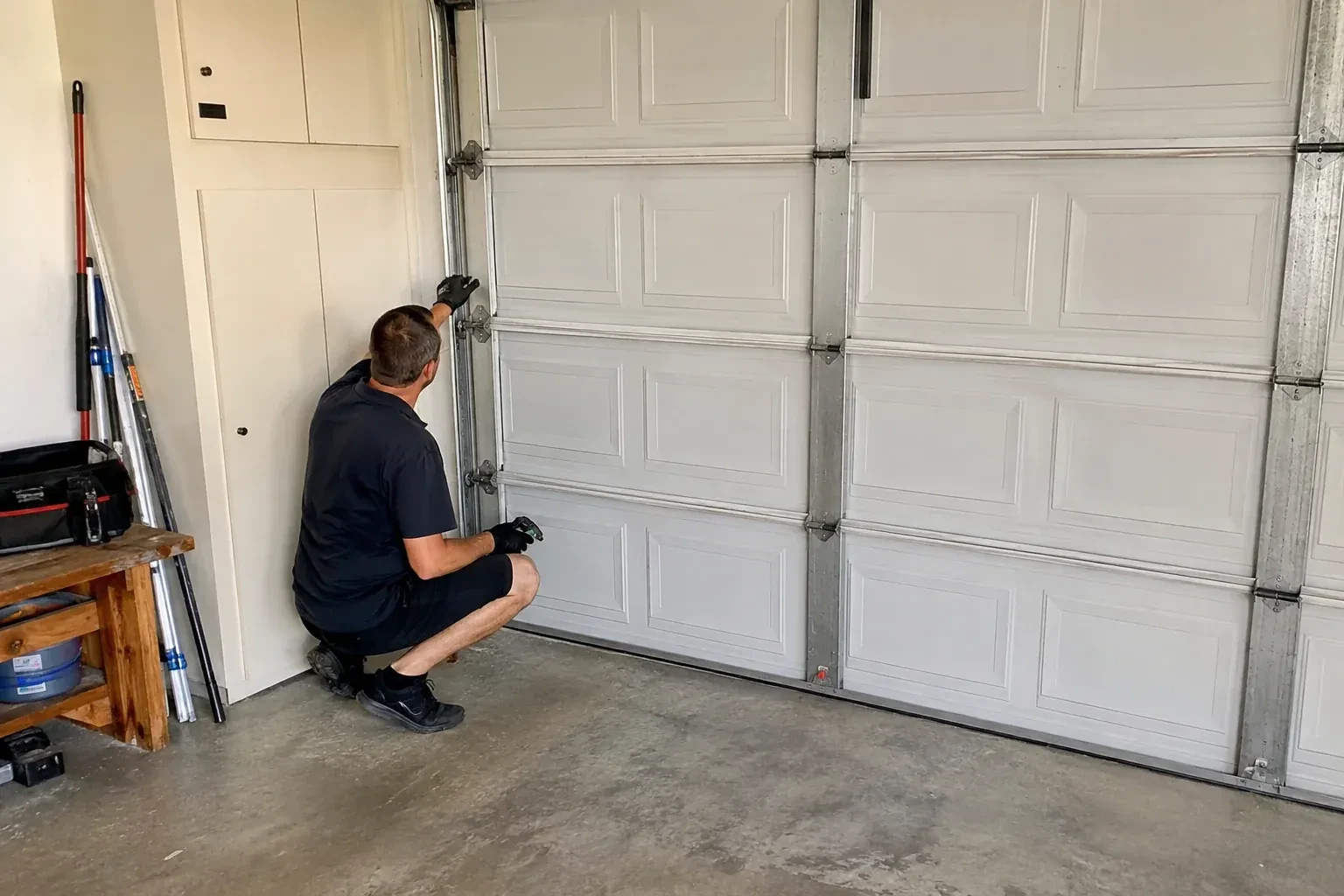
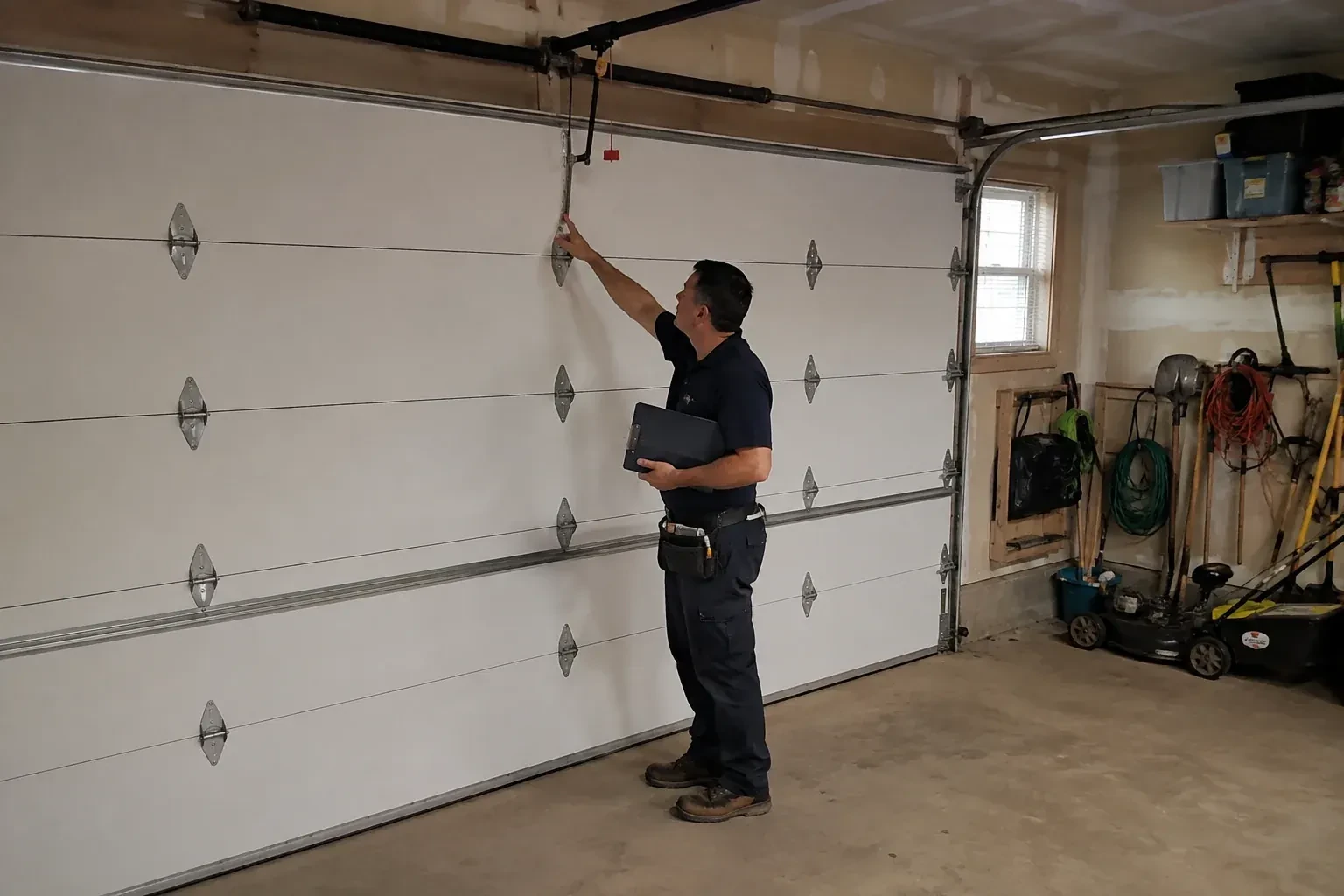
From spring replacement to brand-new insulated doors, we cover the whole garage door trade for homes and businesses in Ellesmere. The vans carry the common springs, cables, rollers, hinges, seals and opener parts, so most repairs are completed on the first visit. Larger jobs, like a new door or an unusual opener, are planned with you and scheduled to suit your household.
13years in business
24/7open every day
Told before touched. Nothing is adjusted or replaced until you have heard what we found and agreed with the plan for it.
Neat work, neat exit. New parts fitted cleanly, old ones removed, the floor and door wiped down. The garage is yours again the moment we leave.
Room to choose. We give you the practical picture and step back. Repair now, plan a replacement, or wait and watch: your call.
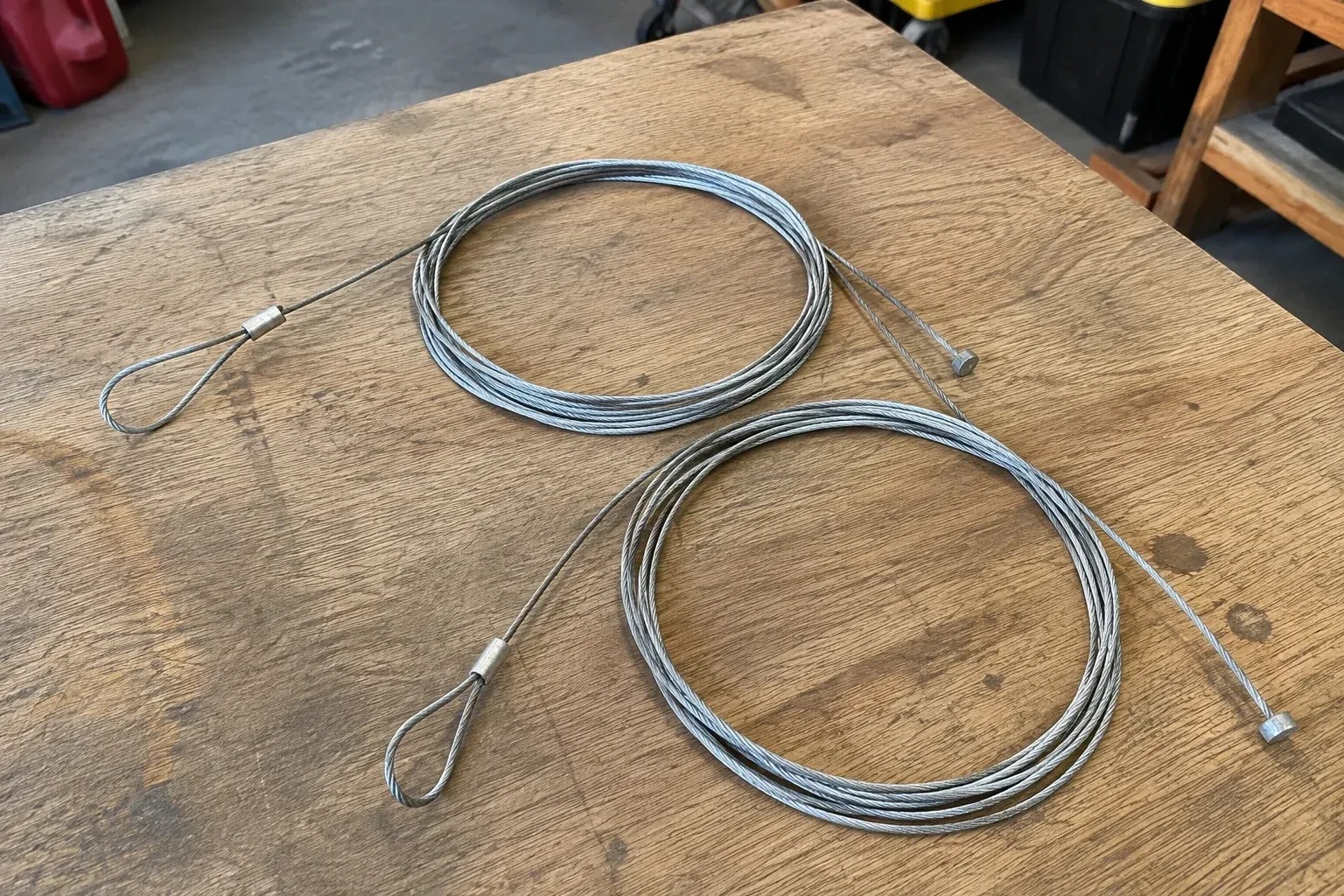
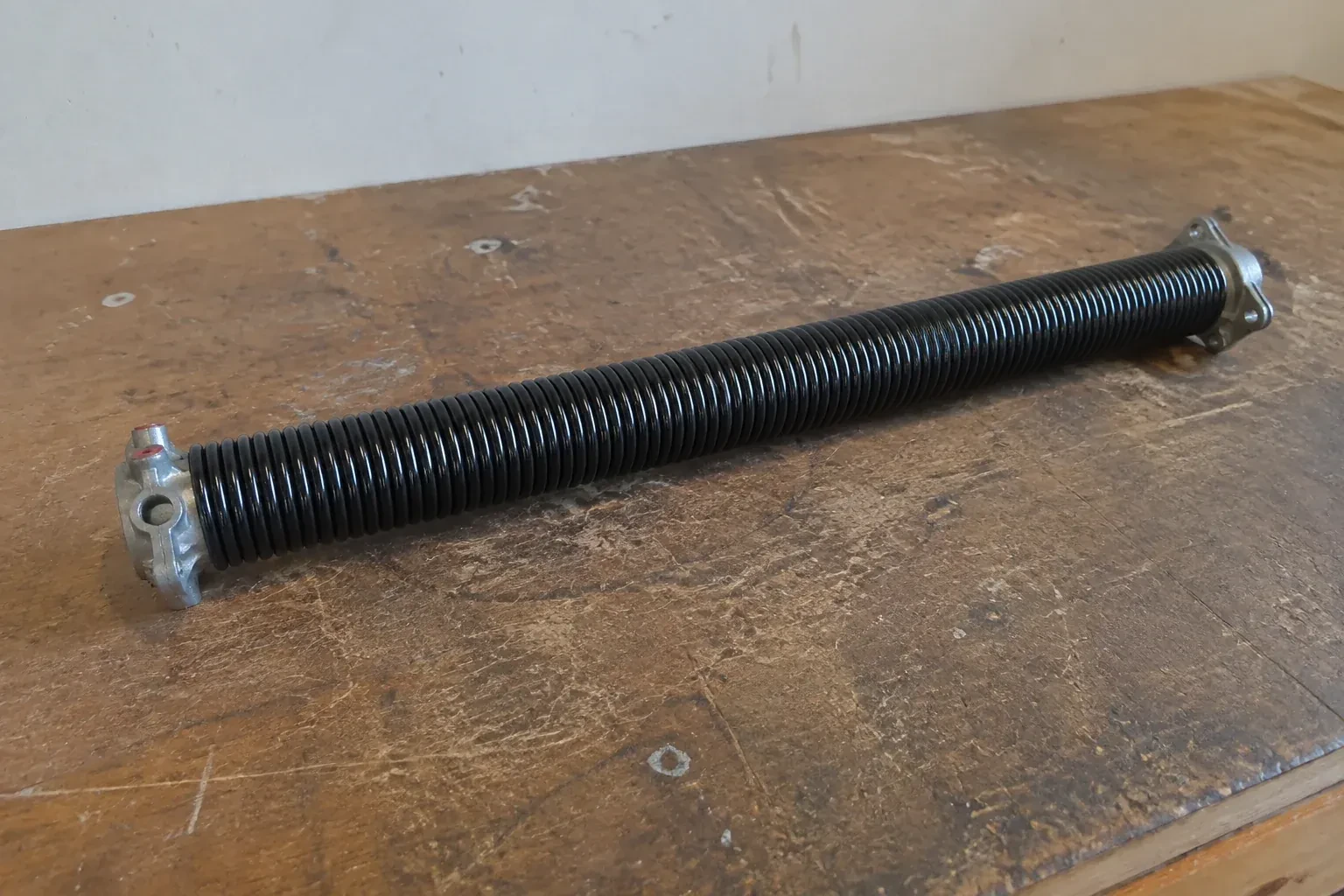
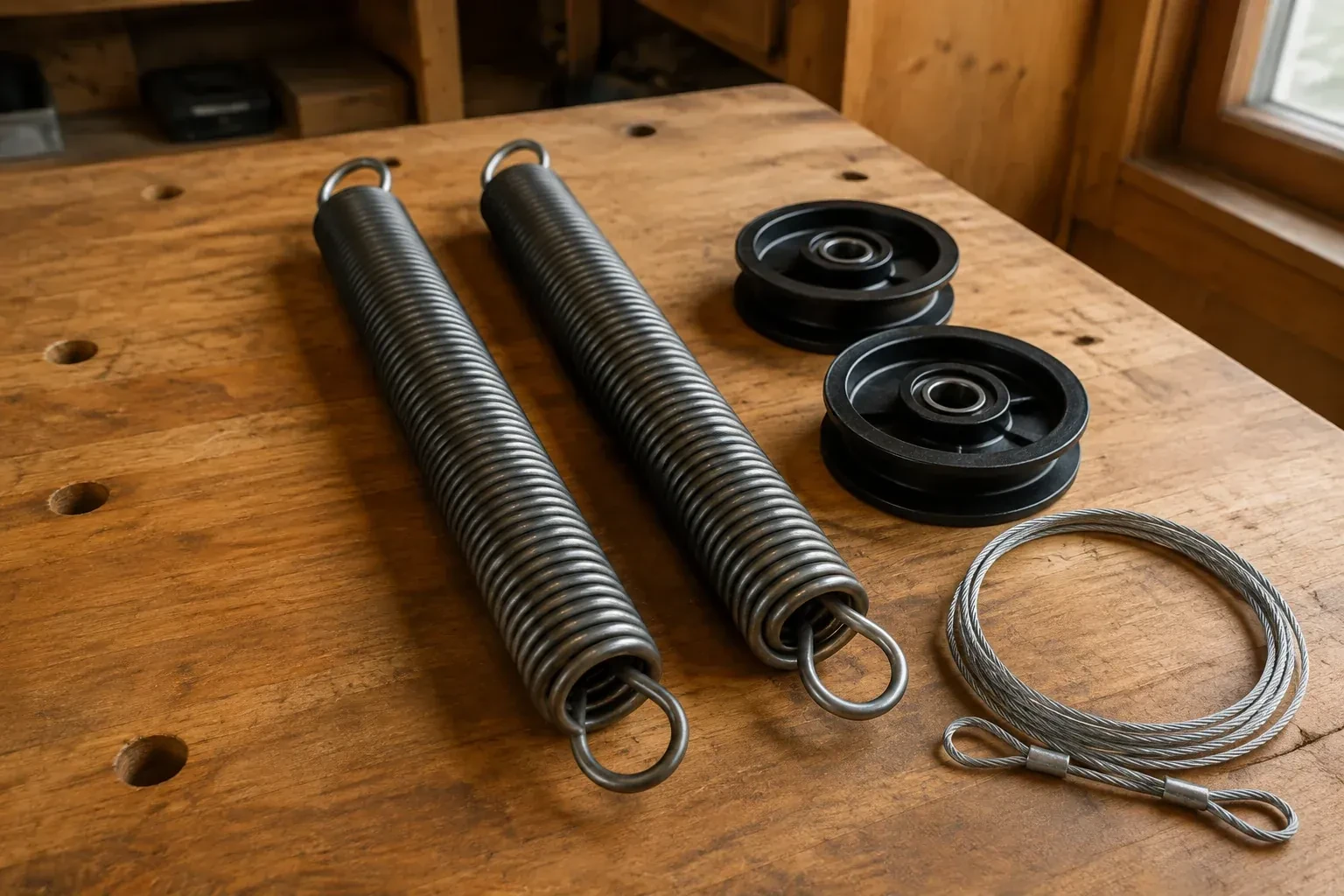
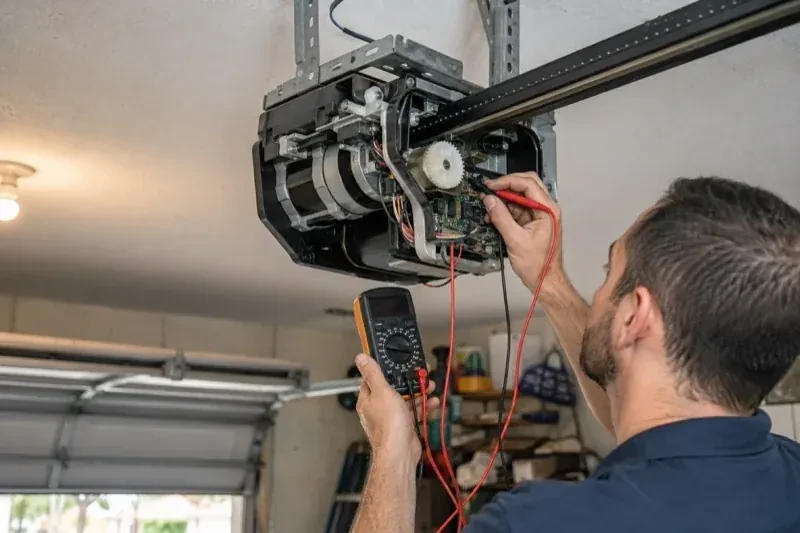
The services below are the ones we perform most often for garage doors in Ellesmere. Springs and cables top the list, followed by opener repairs, roller and hinge replacement, seal and weatherstrip work, balance and safety adjustments, remote programming and, when the time comes, new doors.
About 58% of homes in Toronto were built in 1980 or earlier, according to the 2021 Census.
Older homes
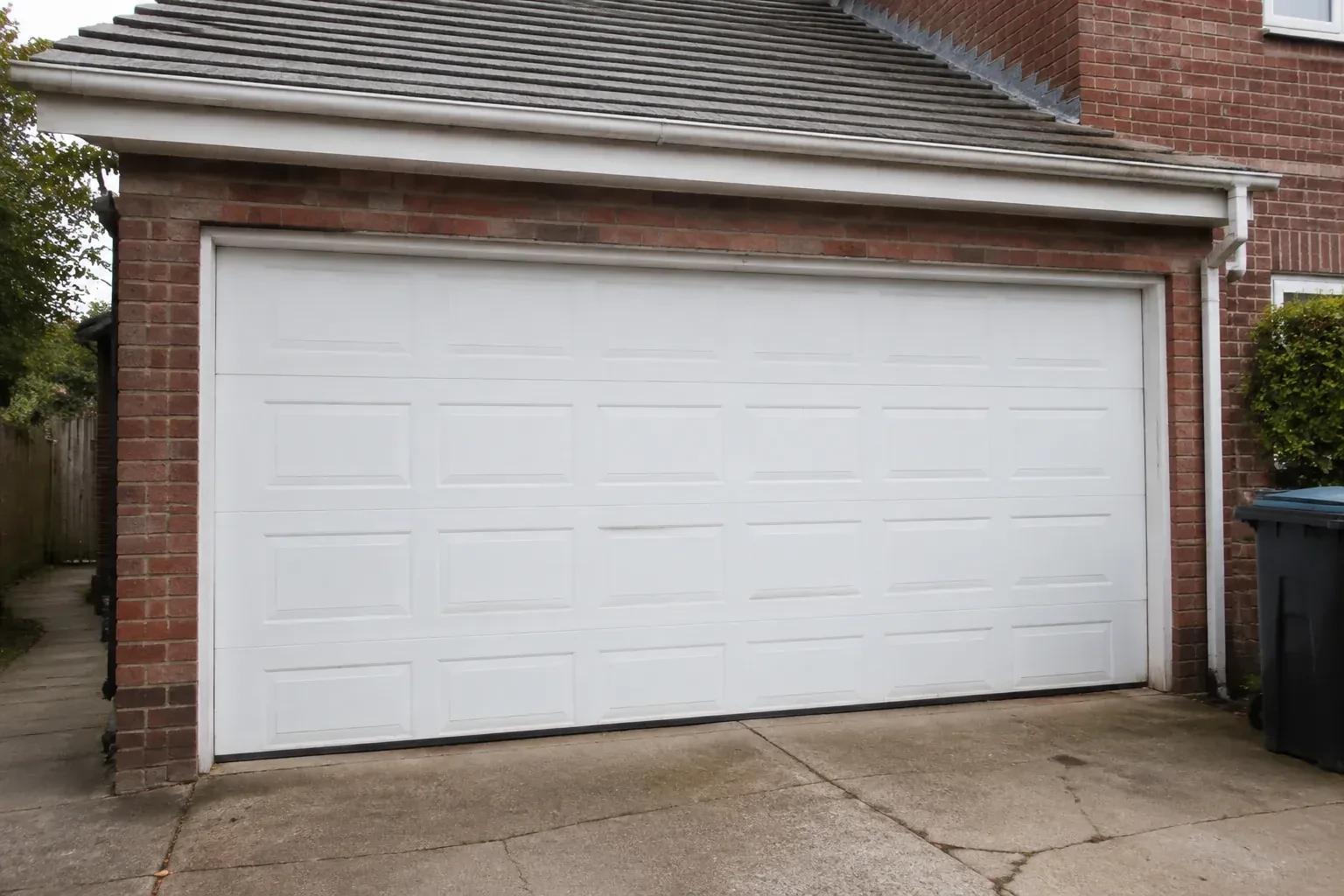
In a mature neighbourhood the garage door is often the single largest feature of the front elevation, so keeping the original look matters. Modern insulated doors come in raised-panel and carriage styles that echo the older designs while running on today's torsion hardware.
Single-detached houses make up about 23% of homes in Toronto (2021 Census).
Where housing is mostly attached, the common garage entrance may be a rolling grille or heavy sectional door with access by fob or remote, managed by the property. We service these operators, safety edges and photo-eyes, and coordinate with management so residents keep their access throughout.
The morning after a thaw the opener groaned, the door stayed stuck to the icy floor for a second, then lurched up crooked. It stopped halfway with a grinding scrape and has not moved since.
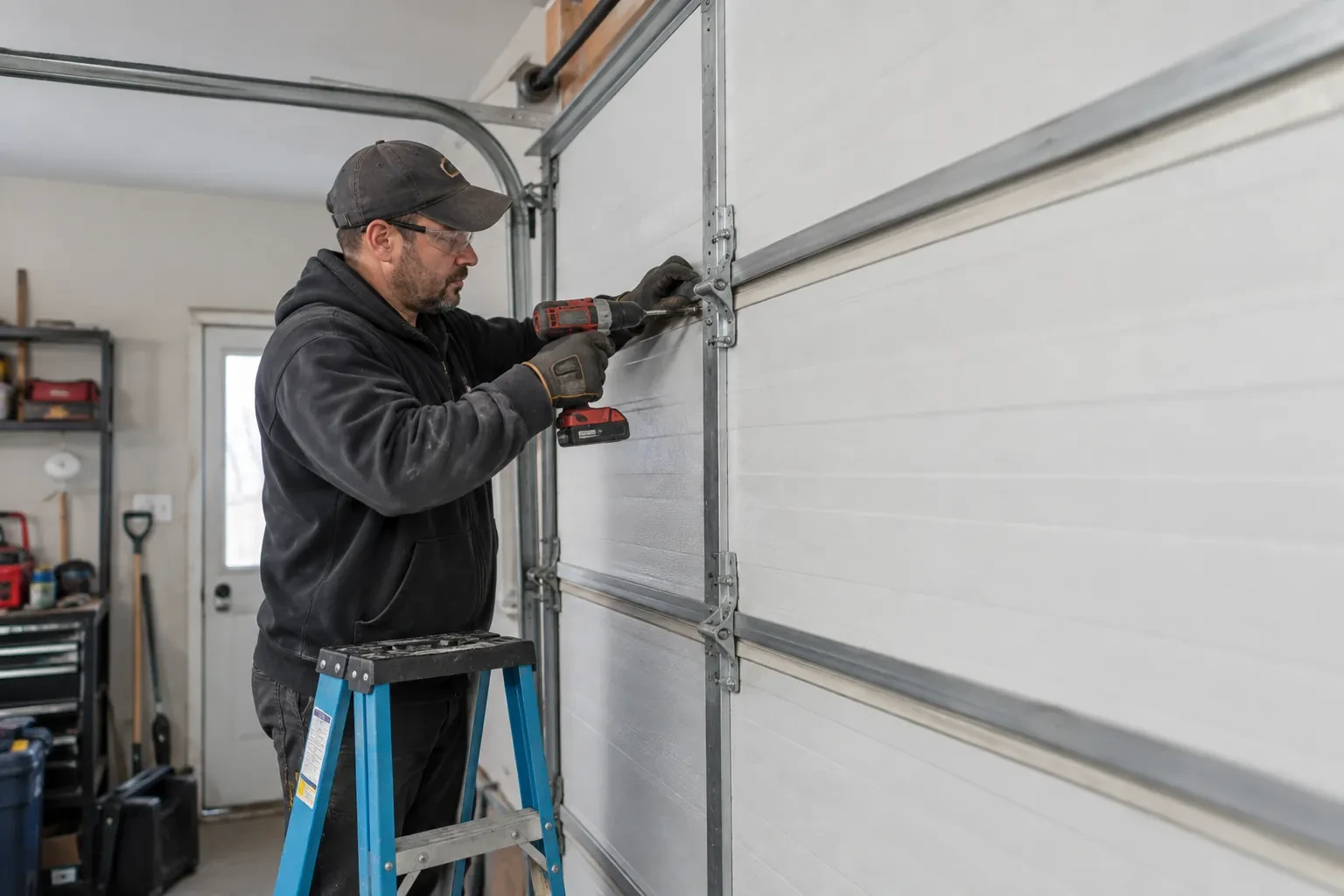
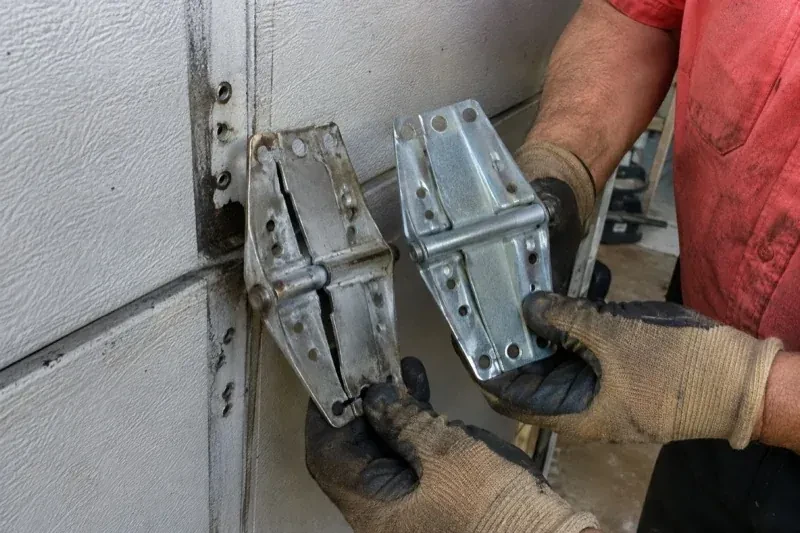
After an overnight freeze the door stuck to the slab, the opener strained, and something gave. The bottom section is bowed inward, one hinge has torn free of its screws, and the rubber seal along the bottom no longer sits flat.
Dry leaves keep appearing in the same corner inside the garage, and this fall there were mouse droppings along the wall beside the door. When you look, the corner where the top and side strips meet is wide open.
Every morning the door announces itself: a rattle on the way up, a grinding squeal on the way down, loud enough that the neighbours know when you leave. A spray of lubricant settled it for a day or two, then the racket came back.
The door climbs crooked, one side clearly ahead of the other. Nothing looks broken, but the two tracks sit different distances from the door, and one leans in toward the opening near the top.
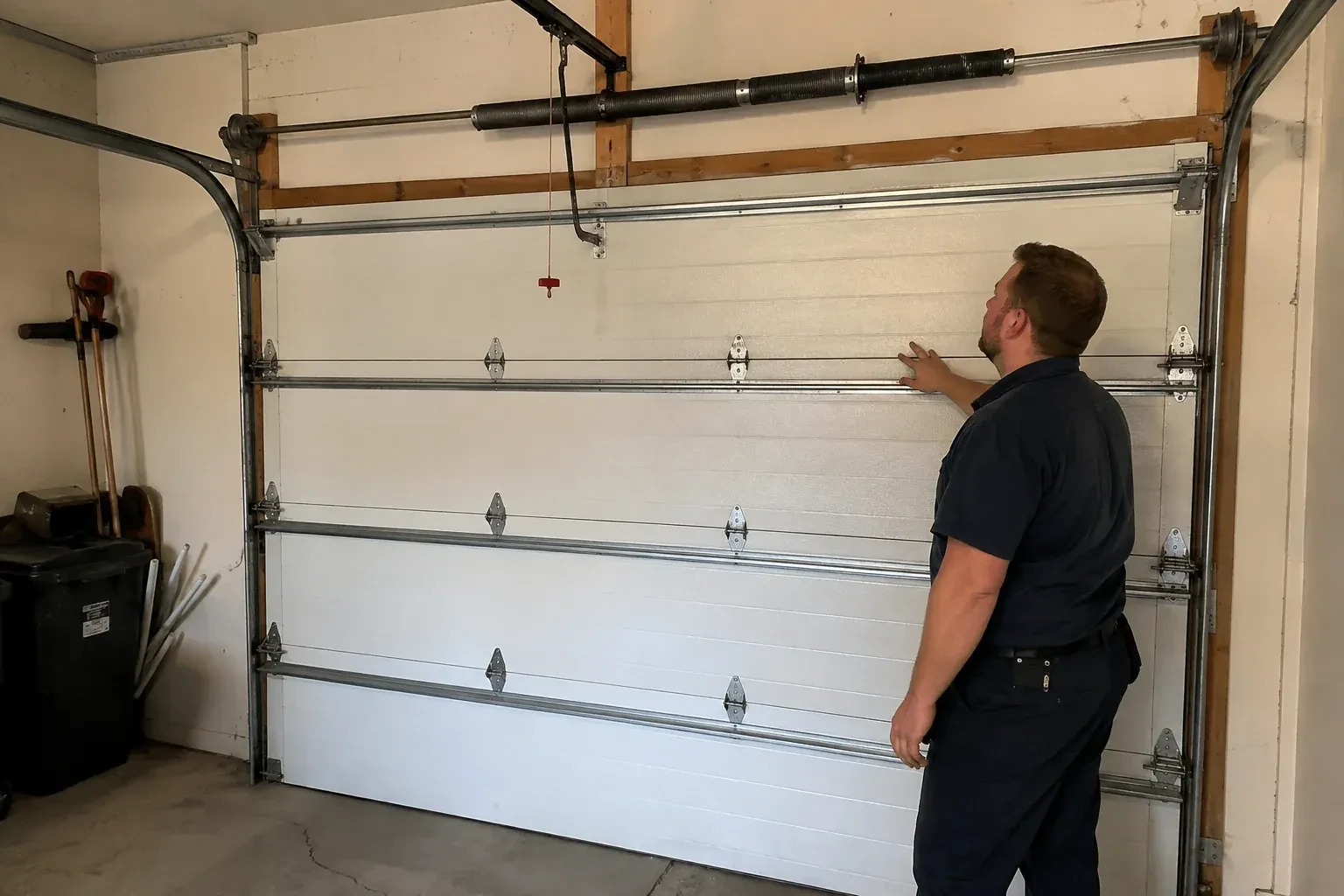
You pulled the red cord to move the door by hand during the power cut, lifted it to about waist height and let go. Instead of staying put, it kept climbing on its own and thumped into the fully open stop.
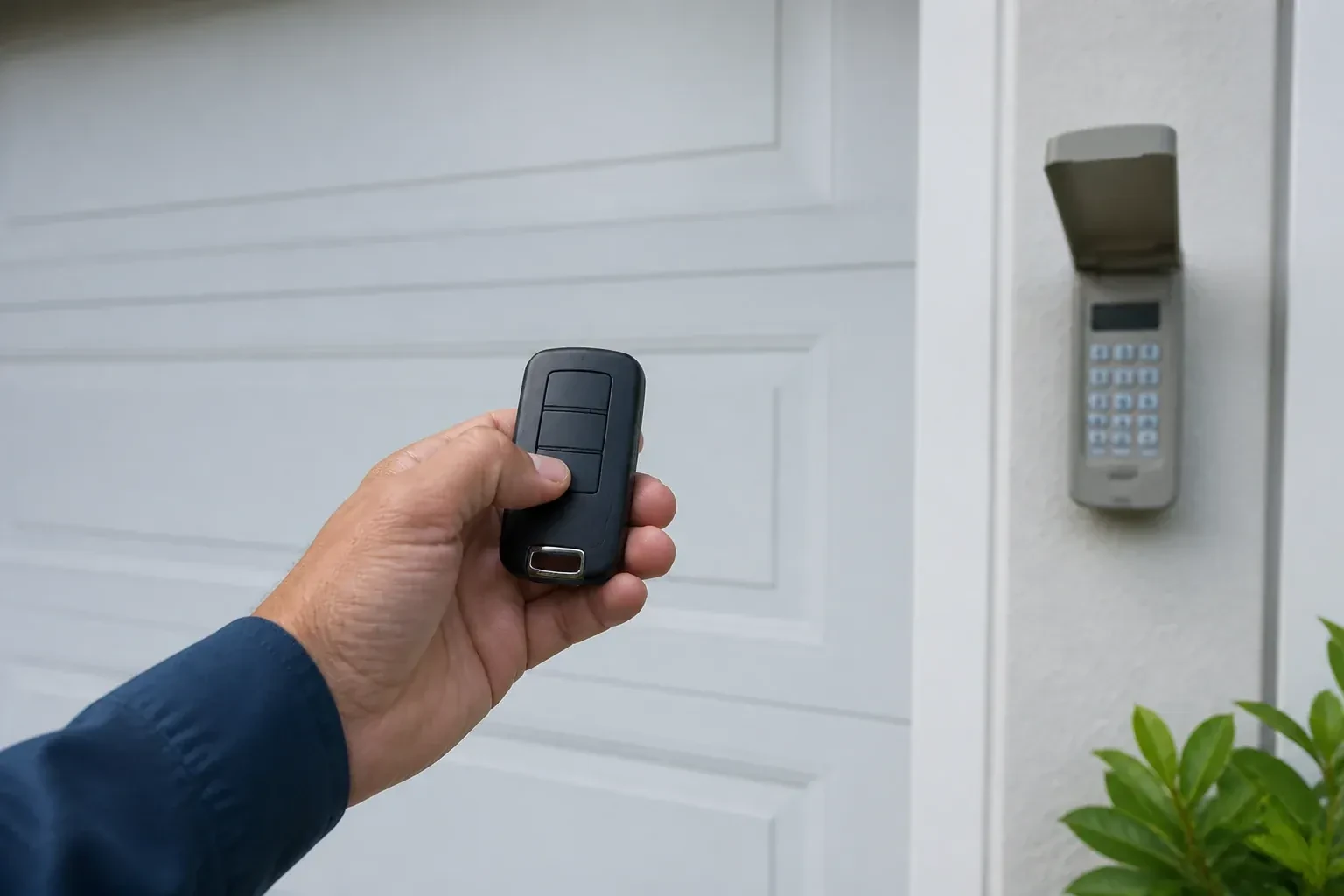
After the move, the previous owner's remotes are somewhere in another city and the keypad on the outside wall wants a code nobody wrote down. The wall button works. Nothing else does, and you have no idea who else can open your garage.
One remote lives in a car you sold last spring. The other needs three presses from the driveway and its battery cover is taped on. Your phone is already in your hand when you pull in, and it would make a better opener.
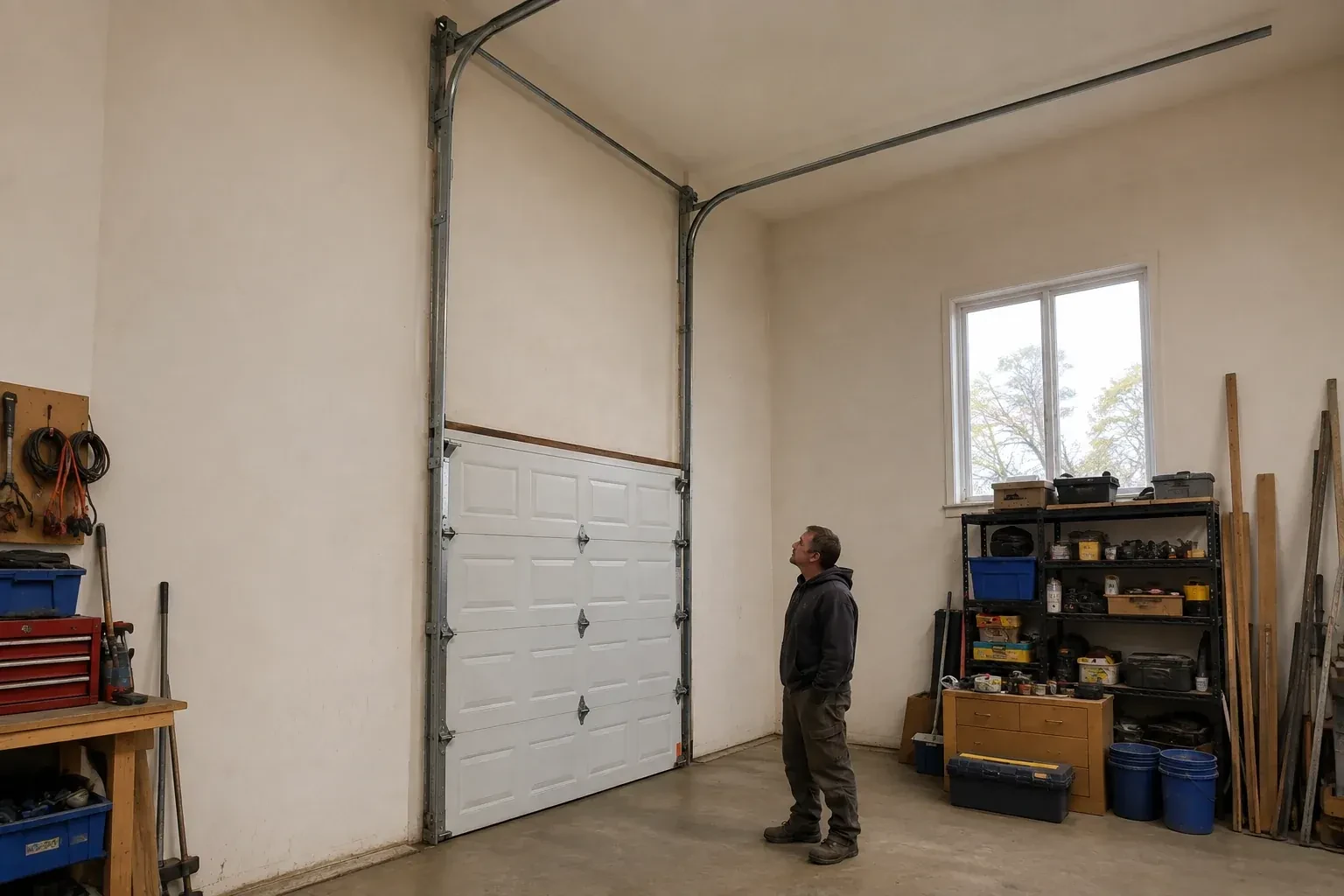
The opener strains as the heavy older door starts upward, and manual movement feels uneven. A new insulated assembly calls for counterbalance hardware matched to its actual weight and a compatibility check for the operator.
A damaged glazed door has mismatched sections and uneven movement. Instead of chasing separate pieces, you want a complete installation specified to the opening, door weight, tracks, springs and operator.
Every installation includes the parts nobody sees: the perimeter seal that stops the wind, the threshold that keeps water out, the struts that hold a wide door rigid and the safety cables on extension springs. We fit all of them.
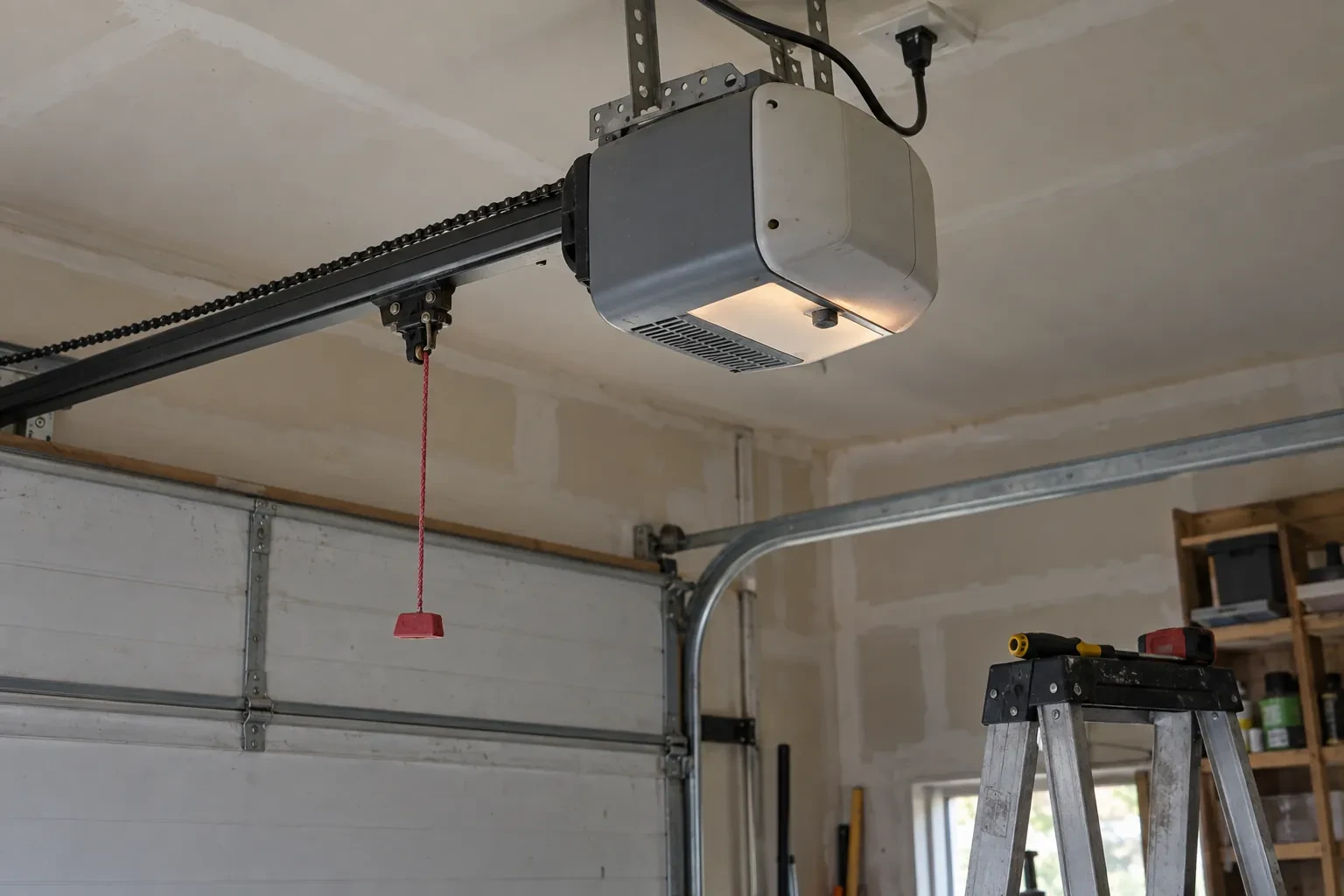
The motor runs, the chain rattles along the rail, and the door does not move a millimetre. You notice the little carriage sliding back and forth on its own.
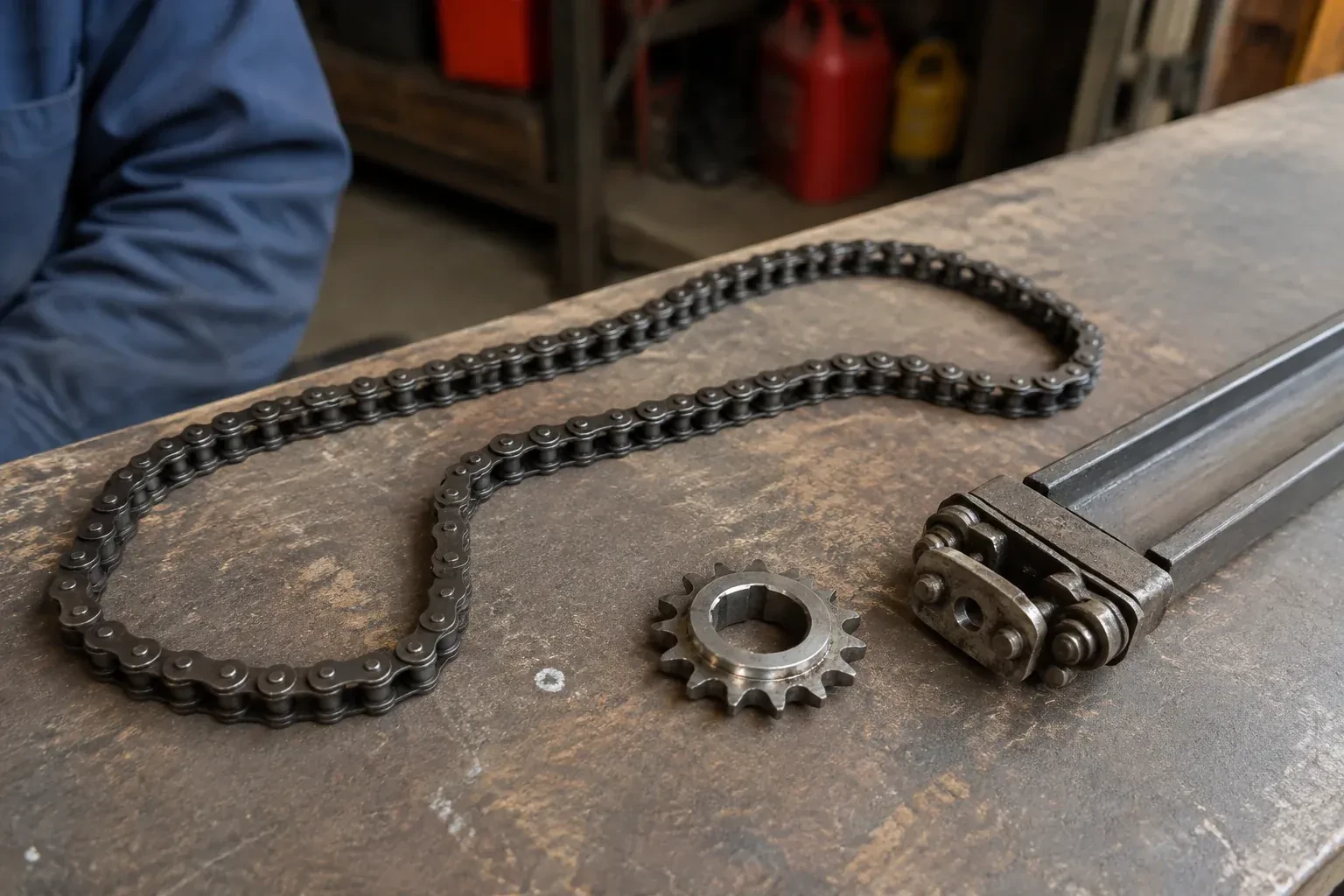
The chain in the detached garage went orange with rust over the winter, the links are stiff, and the opener strains and groans to pull the door up. By afternoon, once the garage warms, it behaves almost normally.
The door used to glide up with a soft hum. Now there is a sharp clack every second or so, and if you stand underneath you can see the belt sagging below the rail and slapping it on the way up.
You swapped the old wooden door for a heavier insulated steel one, and the twenty-year-old opener that was kept has never settled. It strains on the way up, stops partway on cold mornings, and the rail shudders with every cycle.
It is February. You come down in the morning and the garage door has stood open all night; the car is frosted inside, the furnace has run without a pause, and the pipe in the shared wall is your first worry.
Halfway up, the door lets go of the opener with a clunk and sinks back to the floor while the trolley carries on to the top alone. It has happened three times this month, and each time the release lever is found half-cocked.
Which fix fits?
The morning after a thaw the opener groaned, the door stayed stuck to the icy floor for a second, then lurched up crooked.
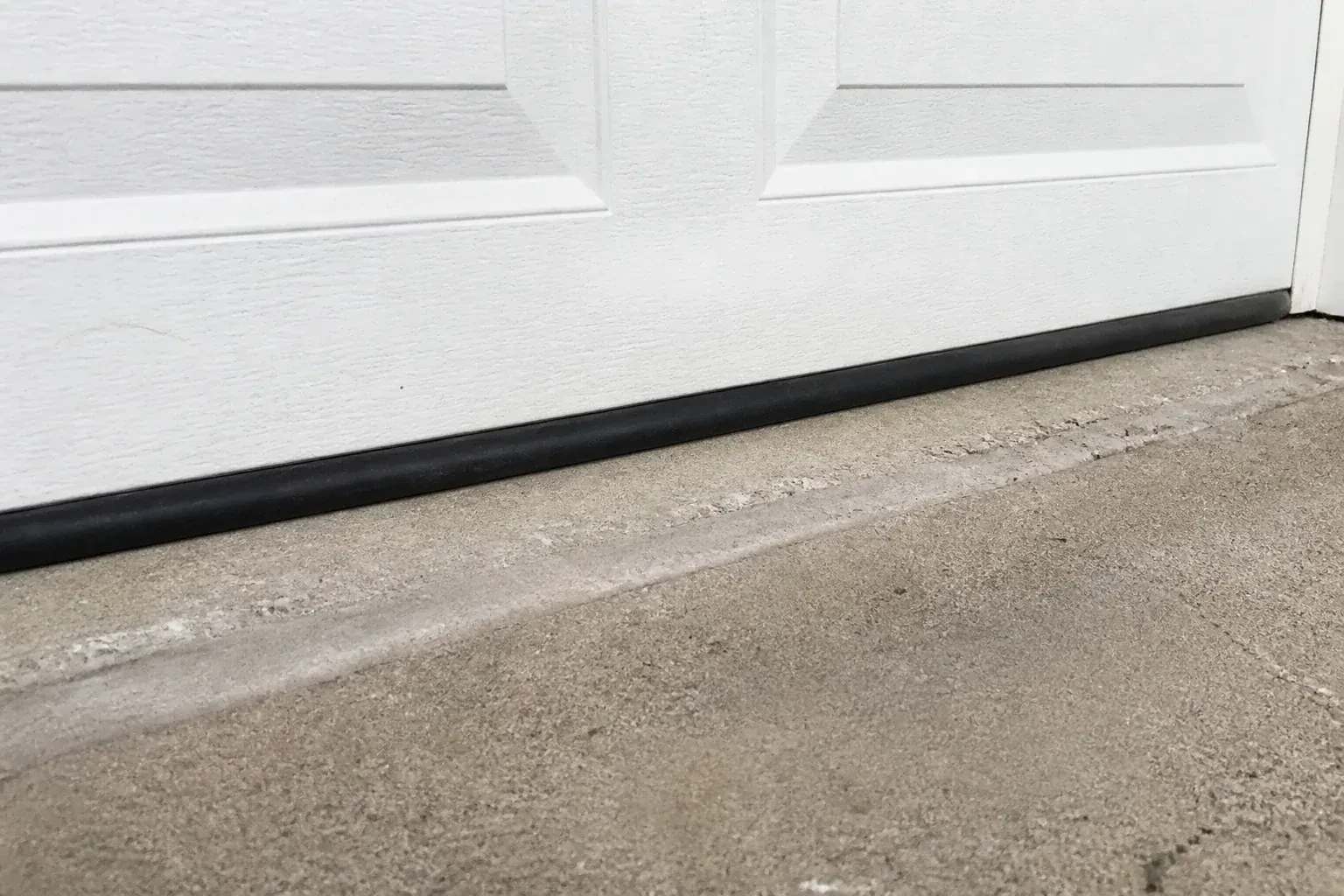
WhyPerimeter seal comes in two common forms, and the visit begins by deciding which suits your opening.
Every morning the door announces itself: a rattle on the way up, a grinding squeal on the way down, loud enough that the neighbours know when you leave.
WhyWhat you get back is a door that runs its full height without a catch, hesitation or bang, with every roller seated in its channel and both sides rising together.
You pulled the red cord to move the door by hand during the power cut, lifted it to about waist height and let go.
WhyFor a household here, the most valuable feature is often the simplest: a message that says the door has been open for ten minutes on a January night.
The opener strains as the heavy older door starts upward, and manual movement feels uneven.
In a reset the rail is sound and the work is putting rollers, cables and sections back where that rail expects them, with minor alignment corrections. In a track repair the rail itself is the problem and must be straightened, re-hung or partly replaced first. One visit can include both, and the technician tells you which you need after looking at the door rather than guessing from the description.
Can the replacement section be a different style, as an upgrade?
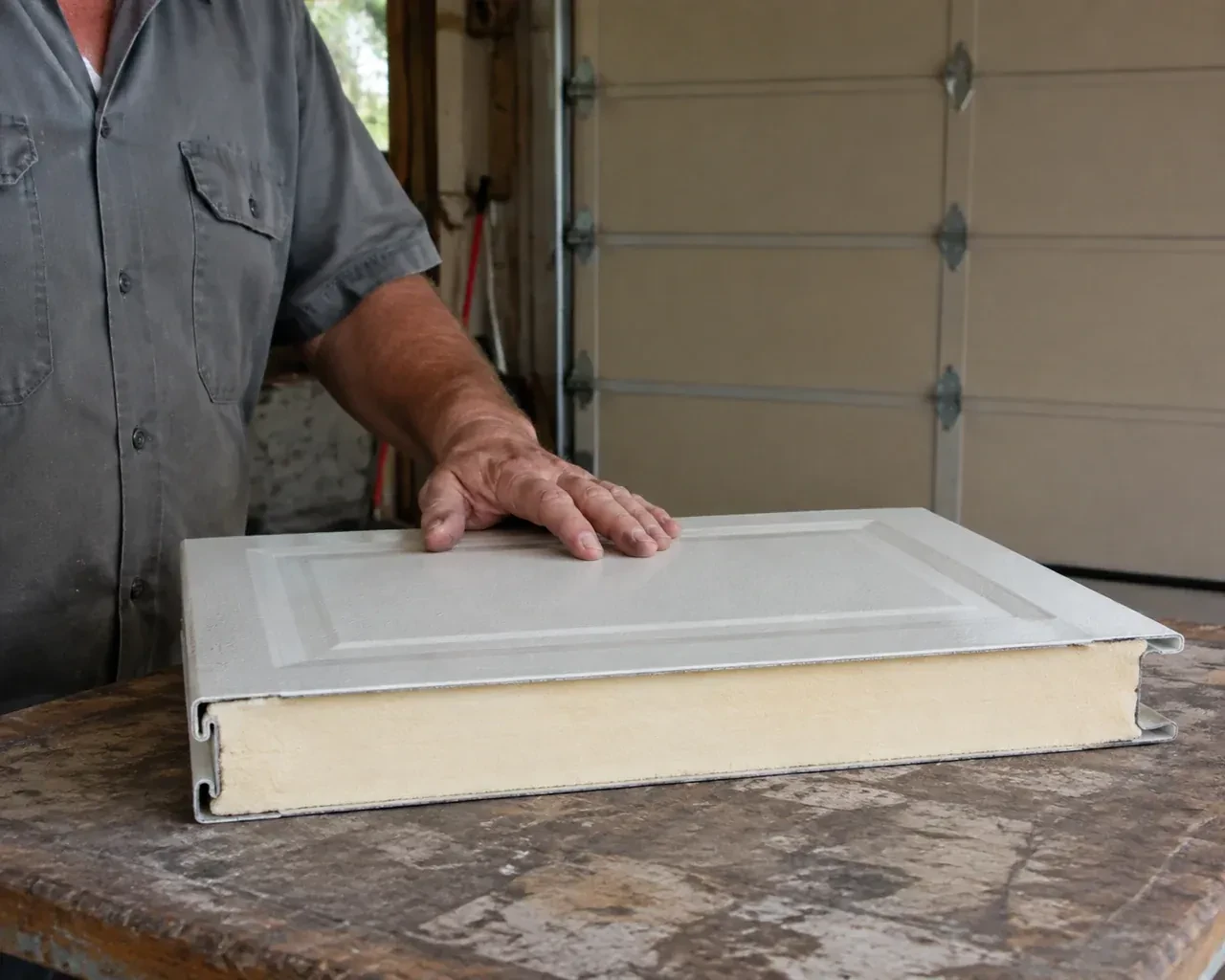
Within one door, sections need to share the same joint profile, thickness and hinge spacing, so a section from a different design generally does not mate with its neighbours. What you can change is a detail the manufacturer offers for your model, such as ordering the top section with windows or adding decorative hardware. If you want a genuinely different look or insulation level, that is a conversation about a new door rather than one section.
How should I look after the new seal?
Four times a year, check for daylight from inside with the lights off and press the fin to feel that it is still soft. Wipe the seal with a damp cloth to clear grit and salt, keep paint off the fin, apply a silicone wipe before winter, and keep slush and bins away from the bottom of the jambs. Press any lifted corner back and call if a length has come loose.
How often should the whole door be inspected?
Industry guidance suggests a monthly visual and listening check by the homeowner, with the door closed and then in motion, and a yearly visit from a trained door systems technician who goes over springs, cables, rollers, hinges, track, balance and the opener's safety functions. Rollers themselves are worth a look twice a year, and they belong on the list whenever springs or cables are being replaced. A door used many times a day earns more frequent attention.
Can worn rollers damage the track?
They can, and it is one of the slower ways track goes wrong. A wheel that no longer turns on its bearing skids along one lip of the channel, and over thousands of trips that pressure pries the lip open until a roller can slip out. When a spread section is closed up, the rollers that caused it are replaced at the same time, otherwise the new profile opens again within a season.
What information helps when I book the visit?
Whether the door drifts up, sinks, or hangs crooked when released; whether there is one spring on a shaft above the door or springs along the tracks; whether it is a single or double door and roughly how tall; when the springs were last changed if you know; what has been added to the door; and whether the opener strains, reverses or stalls. A photo of the spring area is useful.
Do I need to be home for the programming visit?
Yes, for two reasons. The technician confirms that the person authorising changes to the door's access is the owner, a tenant with permission or the building manager, and you choose the keypad code yourself so it is never known to anyone else. You also test each control in your own hand before the visit ends. Have every remote and vehicle you want programmed available, since a car parked elsewhere cannot be trained.
What should I have ready before the visit?
A photo of the label on the opener and of the learn button, your Wi-Fi network name and password to hand, the phone you will use with the app charged and updated, and the email address the account should live under. If the house came with an existing controller, any paperwork or the seller's contact details help. Knowing which family members need access saves time at the end.
What does an R-value tell me?
An R-value describes resistance to heat flow under stated test conditions. It is useful only when you know whether the figure applies to insulation material, a section or the complete door assembly. Ask for the published basis for the exact model. Air movement at joints, windows, perimeter seals and floor gaps also affects how the garage feels in real weather.
What should I move before the installation visit?
Clear vehicles, bicycles, shelving on wheels and stored items from the door path and the areas beside the tracks. The crew also needs an unobstructed route for glazed sections and a clean staging space on padded supports. Mention fixed cabinets, ceiling storage, vehicle lifts or delicate flooring early so protection and handling can be planned around them.
Request a visit
Customers in Ellesmere sometimes worry they will be sold a new door when a repair would do. Our practice is the opposite. Repairs are the first choice whenever the panels and frame are sound; replacement is recommended only when the door has genuinely reached its end, and we show you why.