Repairs · Toronto
Garage Door Safety Inspection
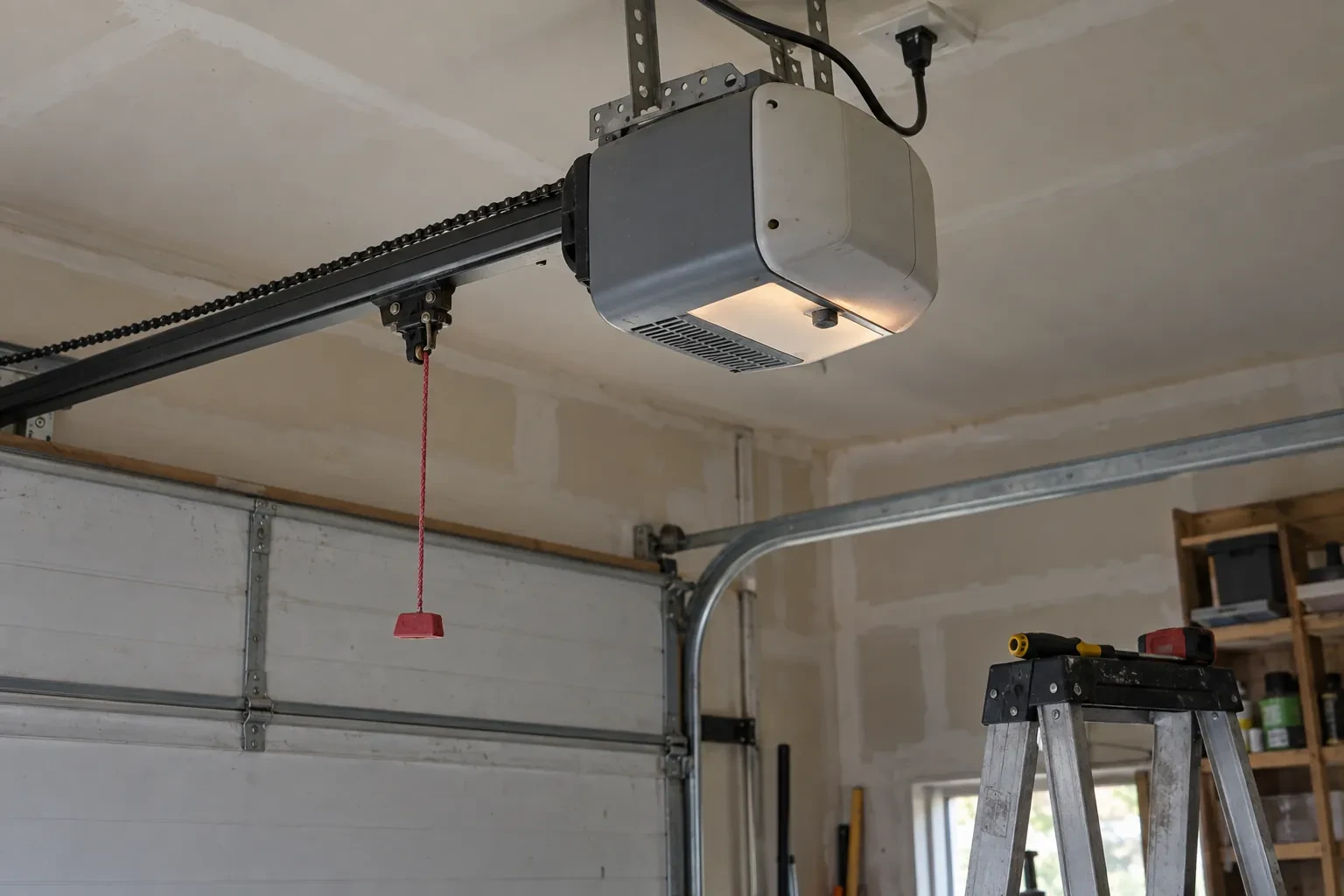
On bright afternoons the door goes down a metre, stops, and climbs back up while the light on the opener blinks.
In plain words
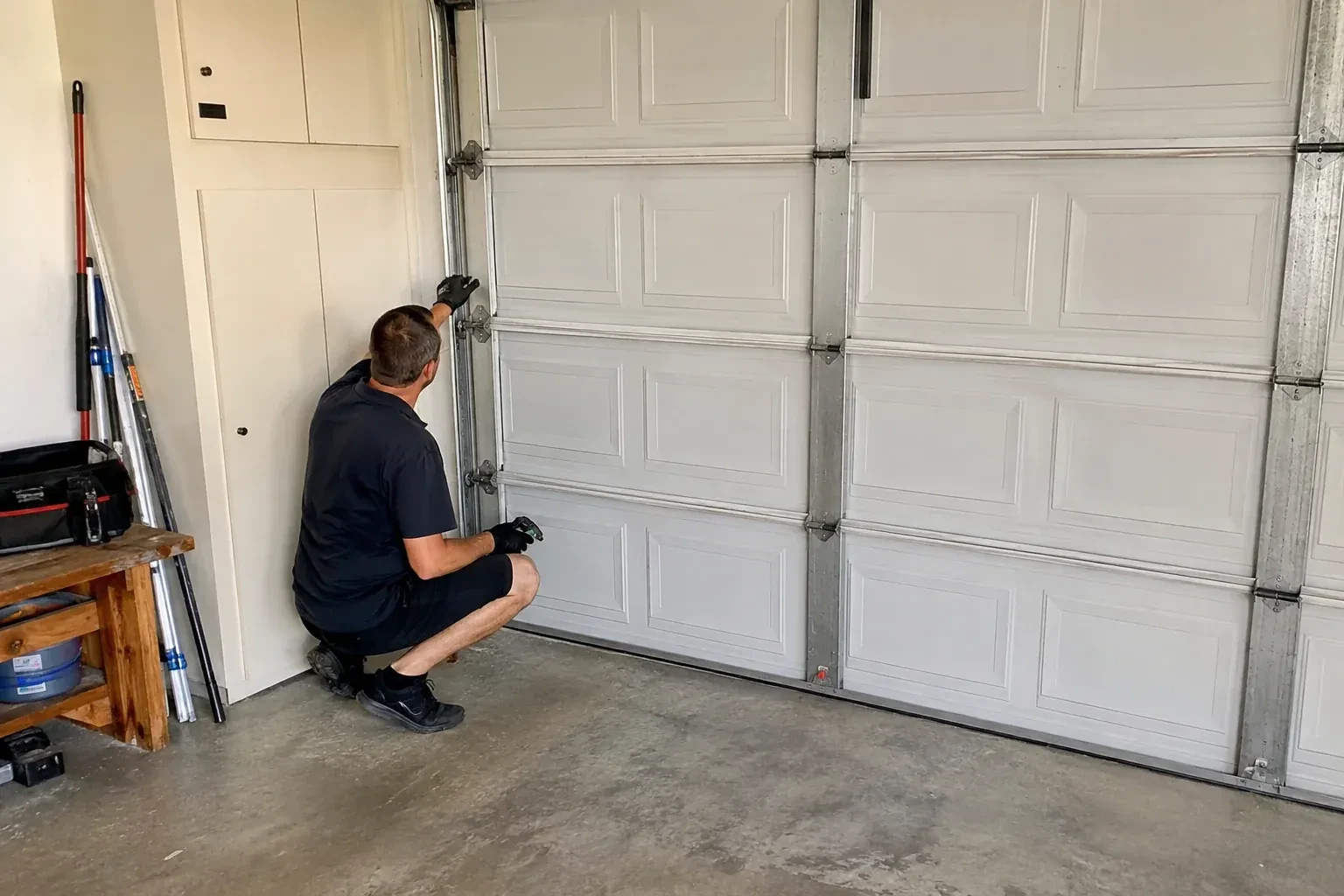
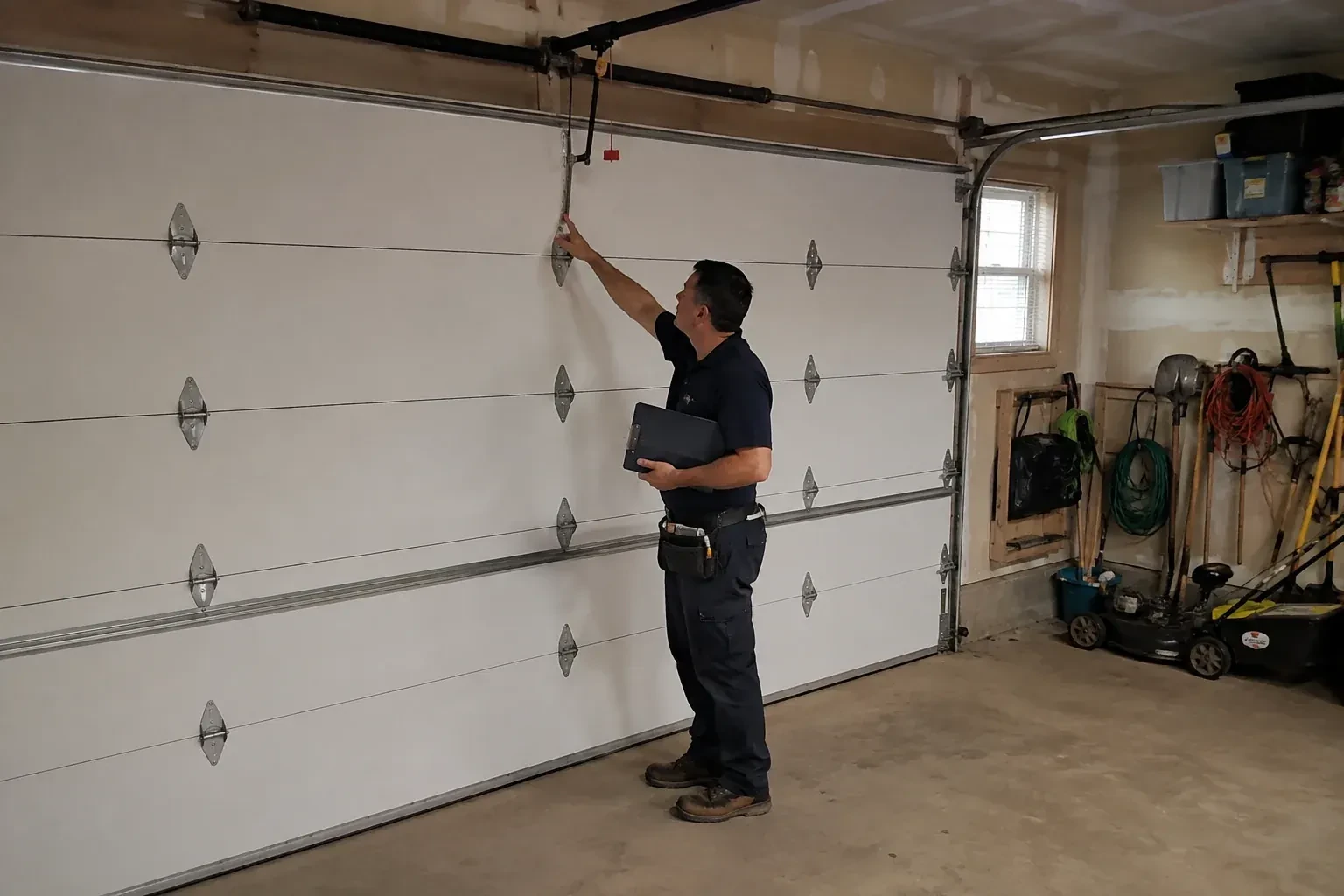
An inspection separates looking from fixing on purpose. Springs, cables, drums and bottom brackets hold the door's weight as stored tension, so the technician examines them closely, measures what can be measured and photographs what matters, without loosening or winding anything. Once the findings are written down, any adjustment or repair becomes its own planned job, done with the door secured and the stored spring tension controlled by whichever method that system calls for. This order protects the hardware as much as the people around it, and it means the report describes the door as it actually is rather than as it was left after a hurried tweak.
How the visit goesOn bright afternoons the door goes down a metre, stops, and climbs back up while the light on the opener blinks. After dark it closes perfectly. Nothing has changed except the weather.
Garage Door Safety Inspection
How the visit goes
Putting a name to the door and the opener
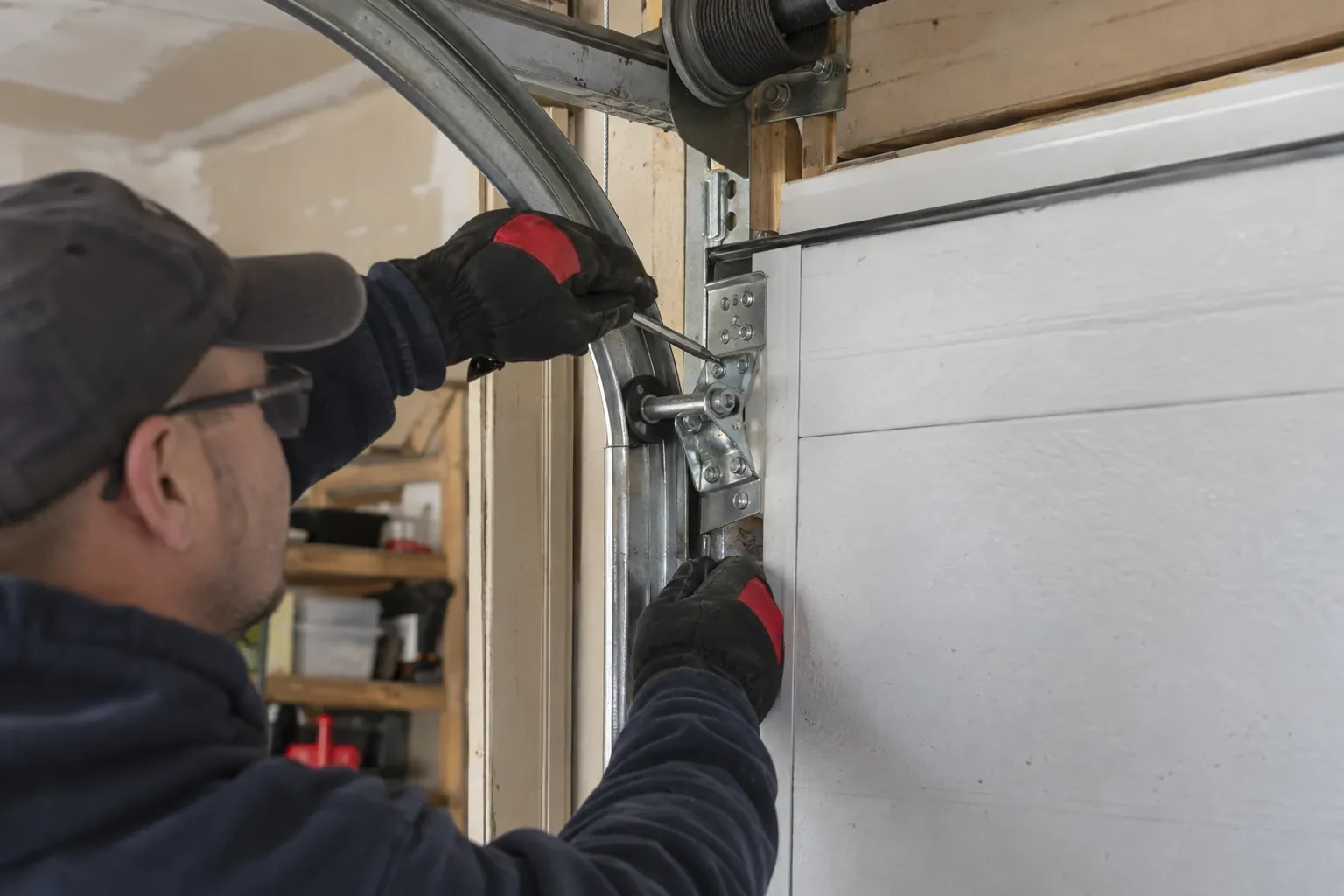
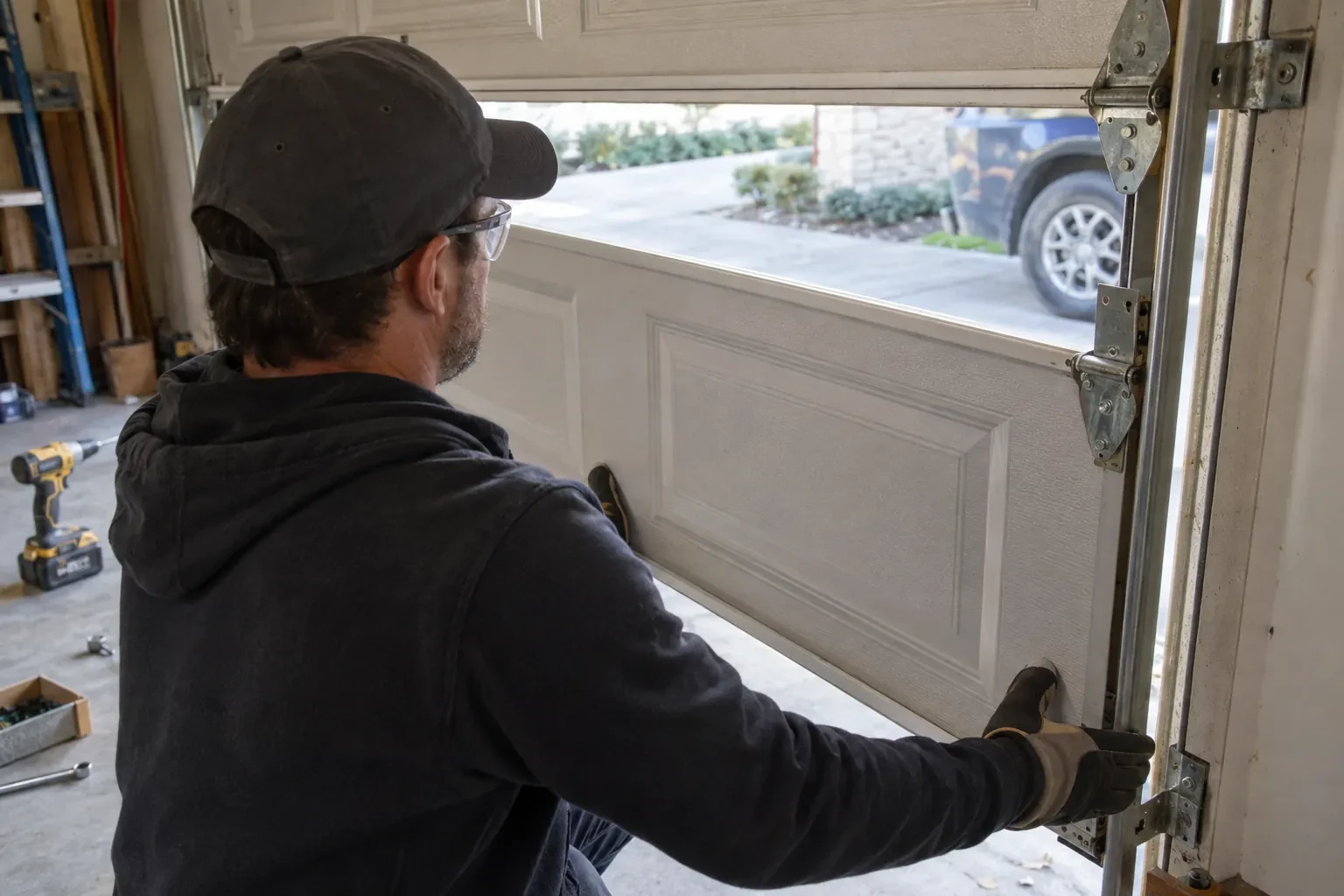
The first thing the technician does is read labels. The door's model tag is usually on the inside of an end stile or the bottom section, and the opener's is on the motor head; between them they tell the technician the door's weight class, the lift hardware it was built with and the exact test procedure the opener maker publishes. That matters because reversal settings, photo-eye mounting heights and force limits differ between models and generations. Writing the model numbers down at the start also means the report is tied to a specific door, so the next person to look at it, years from now, starts from the same page.
Maintenance done on the spot, if you wish
Some findings are simply maintenance, and with your agreement the technician handles them during the same visit. A garage-door lubricant is applied to the springs along their length, to hinge pins, roller bearings and bracket pins, then the door is run to spread it. The tracks are wiped clean and left dry. Photo-eye lenses are cleaned and aligned, loose fasteners tightened, remote and keypad batteries replaced. None of this touches the counterbalance tension or the opener's force settings; those are noted for planned work. It adds a few minutes to the visit and it means the door goes back into service better than it was found.
Carrying the door through winter
The technician leaves you with the handful of habits that matter in a cold climate. Keep the threshold clear of packed snow so the door closes on the floor and not on a ridge of ice. On a mild day, wipe the salt off the bottom brackets, the lowest hinges and the bottom stretch of each cable, then give them a light mist of lubricant. Wipe the photo-eye lenses when the grime of a slushy week builds up. If the bottom seal freezes to the slab, free it by hand before running the opener rather than asking the motor to tear it loose. These take minutes across a season and spare the cables, the seal and the opener.
Garage Door Safety Inspection
In the van
Remote and keypad batteries
Lens cloth and cleaner
Socket set and nut drivers
Work light and inspection mirror
Flat 2x4 test board
Garage Door Safety Inspection
What affects the quote
The kind of report you need
A plain findings sheet suits most households. A photographed, measured report for a sale, a rental file or a property manager takes longer to prepare and is quoted as such.
What is stored around the door
Shelving under the spring shaft, bikes along the tracks or a car left inside slow the visual walk. Clearing the area beforehand keeps the inspection to its planned length.
Single or double door
A double door is wider and heavier and commonly adds centre hinges and reinforcement a single door does not carry, with a heavier counterbalance to test, so it takes longer to walk and to write up; section count itself follows the door's height rather than its width.
What to have ready
- Is the door a single or a double, and roughly how tall is it?
- Have you tried lifting the door by hand, and how did it feel?
- Is anything stored near the tracks, under the spring shaft or in front of the door?
Garage Door Safety Inspection: questions
QuestionsWhat is the balance test and why does it matter?
With the opener disconnected, the door is lifted by hand. If it moves with light effort and stays put at waist height, the springs are carrying its weight as designed. If it drifts up, sinks or feels heavy, the springs are out of step with the door and the opener has been doing the lifting. That strain shortens the opener's life and can defeat its reversal settings, which is why balance is checked first.
Why does my door reverse on the way down for no reason?
Most often it is the photo eyes. A sensor knocked slightly out of line, a lens with a film of road grime, a loose wire, or low afternoon sun shining straight into one eye will each break the beam as far as the opener is concerned. The next candidates are a down-force setting that has drifted, a binding roller or a door that has gone out of balance. The inspection checks each in turn.
What are photo eyes, and how are they tested?
They are the two small sensors low on each side of the opening, one sending a beam and the other receiving it. The technician confirms both indicator lights hold steady, that the units sit at the height the opener maker specifies, and that the lenses are clean and the wiring secure. Then a close cycle is started and something is passed through the beam; the door should reverse. Misalignment or a grimy lens is corrected on the spot.
Related services
- Off-Track Garage Door ResetThe morning after a thaw the opener groaned, the door stayed stuck to the icy floor for a second, then lurched up crooked.
- Garage Door Panel ReplacementAfter an overnight freeze the door stuck to the slab, the opener strained, and something gave.
- Garage Door Bottom Seal ReplacementAfter a spring rain there is a puddle inside the door that reaches the tires.