Repairs · Wexford Heights
Garage Door Manual Lock Repair in Wexford Heights
The power is out in a storm, you pulled the red cord and lowered the door by hand, and now you want to lock it.
In plain words
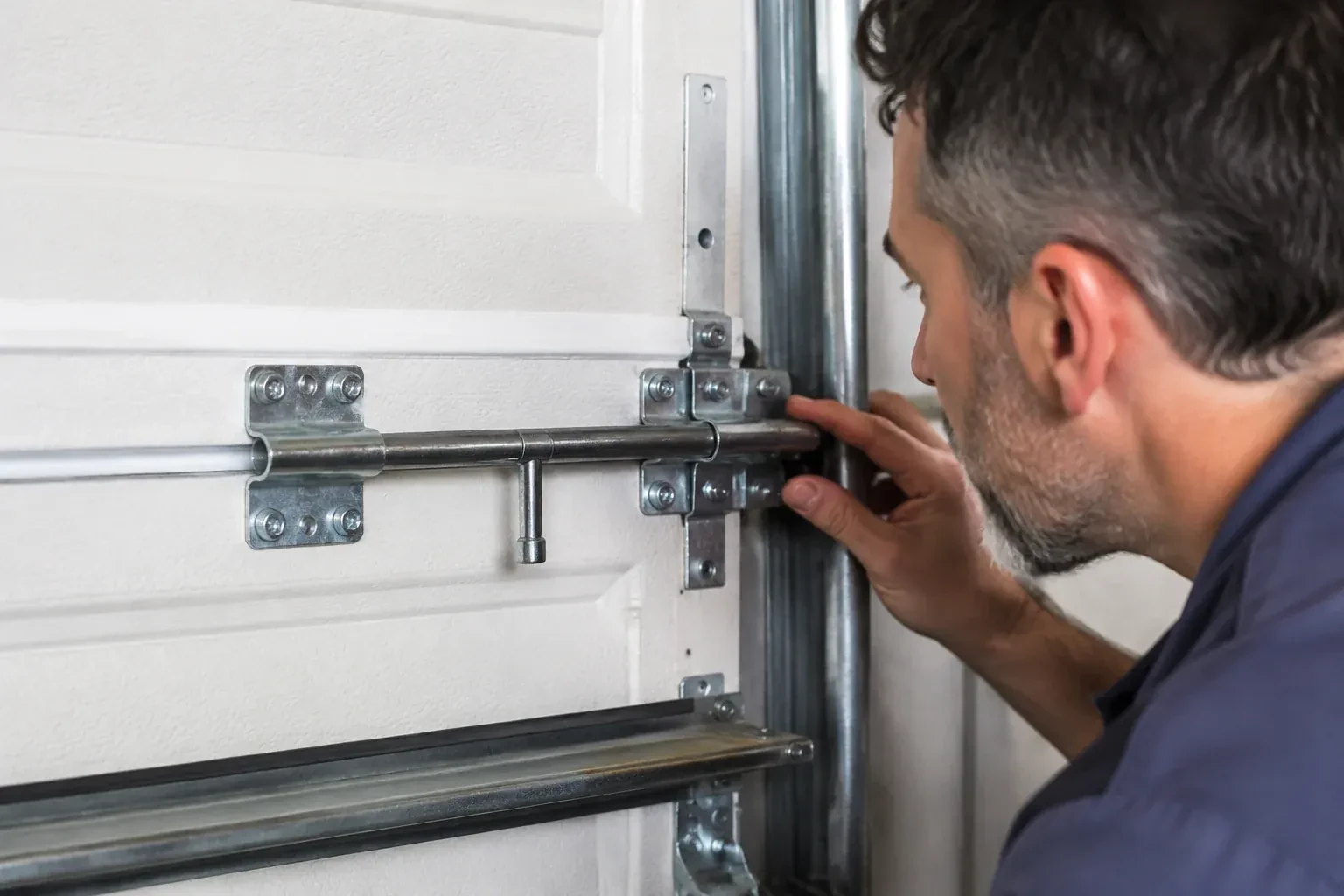
A manual lock earns its keep on the nights the power goes out. With the opener dead, the door comes down by hand on the release cord, and the slide bolt or T-handle is what holds it shut until morning. Winter tests these locks: meltwater freezes in the outside cylinder, salt spray stiffens the bars in their guides, and packed snow under the door lifts it just enough that the bolt misses its slot. Lock repair puts the mechanism right, treats the cylinder and bars so they shed moisture, and leaves you with a simple routine for outage nights.
How the visit goesYou have just moved in. The garage door carries a proper keyed handle on the outside, but no key came with the house, and the inside slide is painted over. You would like to be able to use it.
Garage Door Manual Lock Repair
How the visit goes
Signs the opener and the lock have met
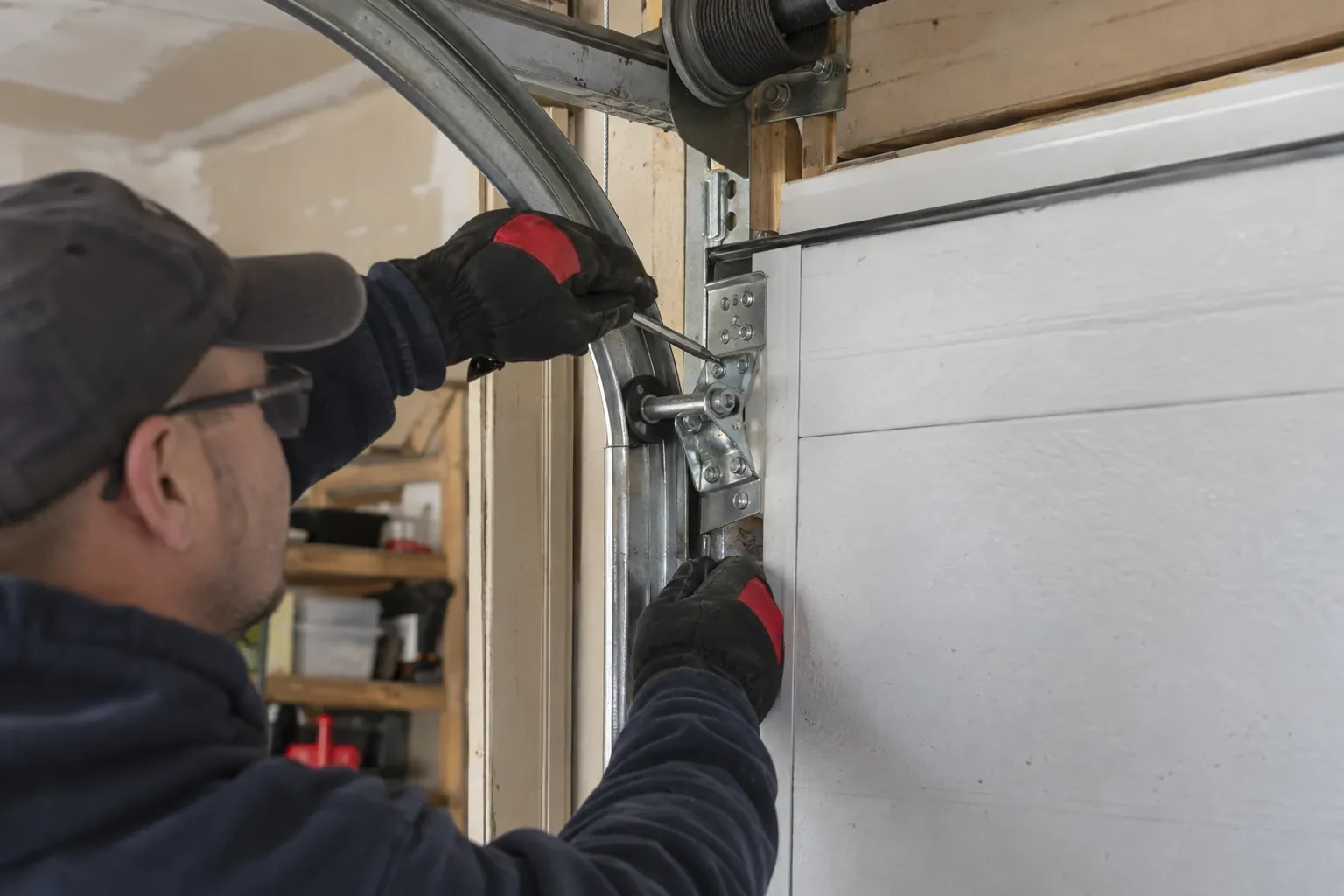
When an automatic opener shares the door, the technician looks for evidence that the two have collided: a bar bent at the track, a lock body pulled part-way from the section, a crease above the lock, a bent opener arm or a bracket strained at the top panel, and an opener that labours or reverses. The current arrangement is noted as well. Has the lock been disabled as opener makers direct, left live with no reminder, or removed altogether? Does the wall console have a lock-out feature the household knows about? These observations decide what is repaired and, just as importantly, how the door will be set up so the same thing does not happen again.
Lining the bar up with its slot
When door position is the cause, the fix goes to the door, not the lock. Track brackets that have loosened are tightened so the vertical track sits plumb and at the correct distance from the door. If the opener's down limit stops the door a little high, the limit is reset so the door rests on the floor. Bar guides are then repositioned or shimmed so each bar meets the centre of its slot with the door shut, and the slot is dressed with a file if a burr has formed. Only where a slot is genuinely in the wrong place is a new one punched, with the old one left clean.
Keys, spares and who holds them
If the cylinder was rekeyed or replaced you leave with new keys cut from the fresh pinning, usually two or three, each tested in the handle. Decide now who in the household carries one and where a spare lives; a lockbox or a trusted neighbour beats a hook inside the garage, since the door you are trying to open is the one the spare is behind. If the garage was keyed to match the house, test the shared key in every door before the technician goes. Note the cylinder type and keyway on the record, so future keys can be cut or the lock re-pinned without guesswork.
Garage Door Manual Lock Repair
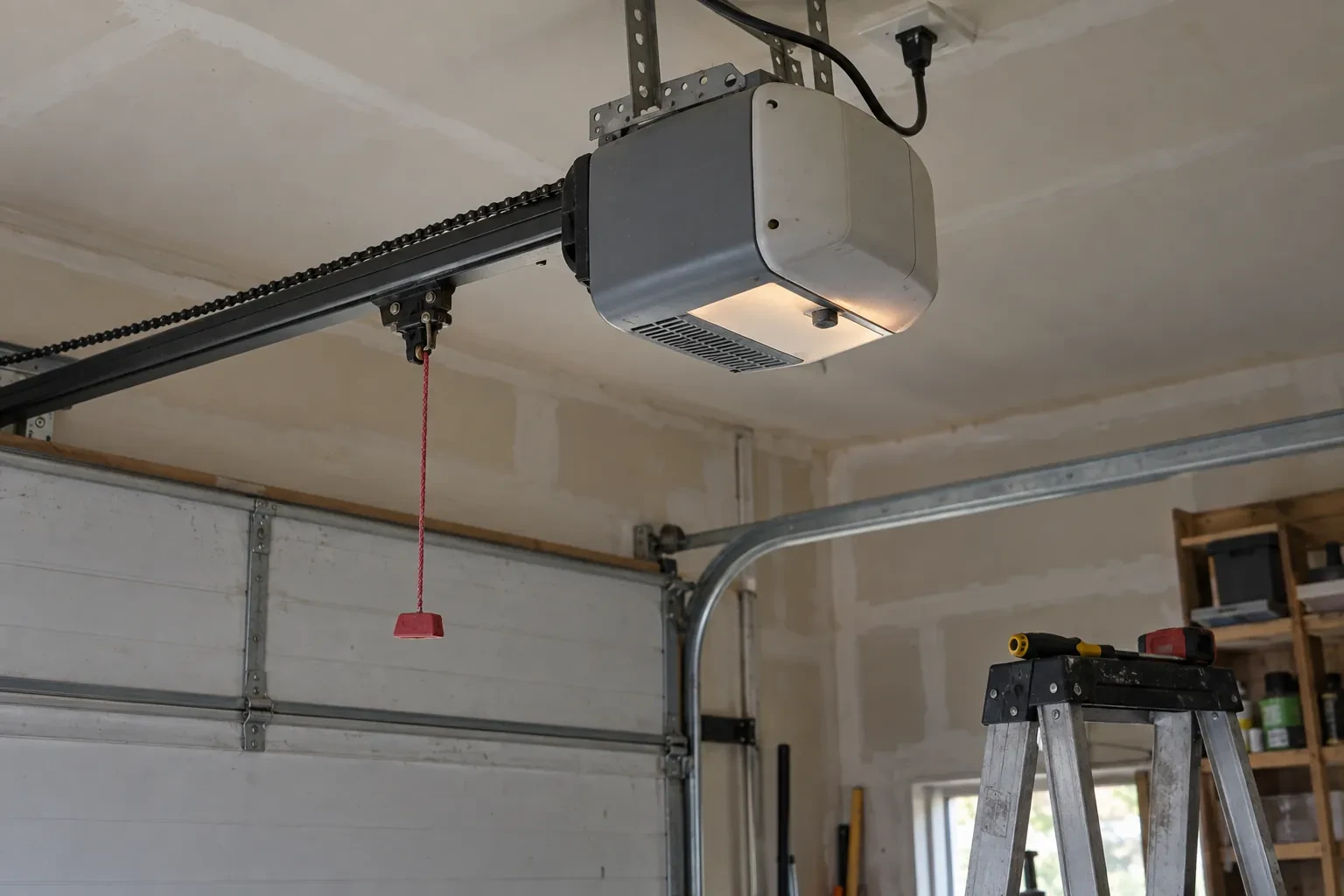
In the van
Spring-steel lock bars
Dry graphite or PTFE lubricant
Key blanks and rekeying pins
Inside slide bolt or snap latch
Inside turn handle and spindle
Garage Door Manual Lock Repair
What affects the quote
One door or two
A garage with two single doors, or a house with a second garage, doubles the hardware to check and often the parts to fit. Doing both in one visit is efficient and quoted as such.
Cylinder work and the number of keys
Rekeying, a new cylinder and each key cut are separate items. Keying the garage to match the house key adds a little pinning time and is listed on its own.
Corrosion and seized hardware
Screws rusted solid, a cylinder seized in its handle or bars welded into their guides take time to free or cut out, and corroded parts are replaced rather than reused.
What to have ready
- Is it one door or two, and are there other garage doors on the property?
- Does the door close fully to the floor and sit level?
- Does the key go in and turn, or is it stiff or spinning freely?
Garage Door Manual Lock Repair: questions
QuestionsDoes lock work involve the springs or cables?
The lock, its bars and its guides all live on the door sections and the tracks, well away from the counterbalance, so the visit involves no winding or unloading of springs. Where a lock misses its slot because the door hangs crooked or sits high, the door's balance or a cable may be part of the story, and the technician points that out so it can be dealt with properly.
Why does my slide lock stop short of the hole in the track?
Because the door is not resting where it rested when the lock was fitted. A heaved or settled slab, a loosened track bracket, a flattened bottom seal, packed snow at the threshold or an opener limit set a little high all move the door a few millimetres, and a few millimetres is all it takes. The technician corrects the door's closed position or resets the guide so the bar finds its slot again.
How do I keep the slide bolt from rusting solid again?
Keep the bottom corner it lives in as dry as you can: push slush away from the inside edge of the door through winter and wipe salt off the bar and guide on a mild day. A light silicone film in late autumn sheds meltwater. Work the bolt once a month even if you do not use it, since a bar that moves regularly stays free. Any stiffness is worth a call while it is still a small job.
Related services
- Garage Door Tune-UpThe door lands with a thud you can feel through the kitchen floor, and sometimes it bounces back up a few centimetres before settling.
- Off-Track Garage Door ResetThe morning after a thaw the opener groaned, the door stayed stuck to the icy floor for a second, then lurched up crooked.
- Garage Door Panel ReplacementAfter an overnight freeze the door stuck to the slab, the opener strained, and something gave.