Springs · Wexford Heights
Garage Door Roller Replacement in Wexford Heights
The door is the one the builder installed and has never had a part changed.
In plain words
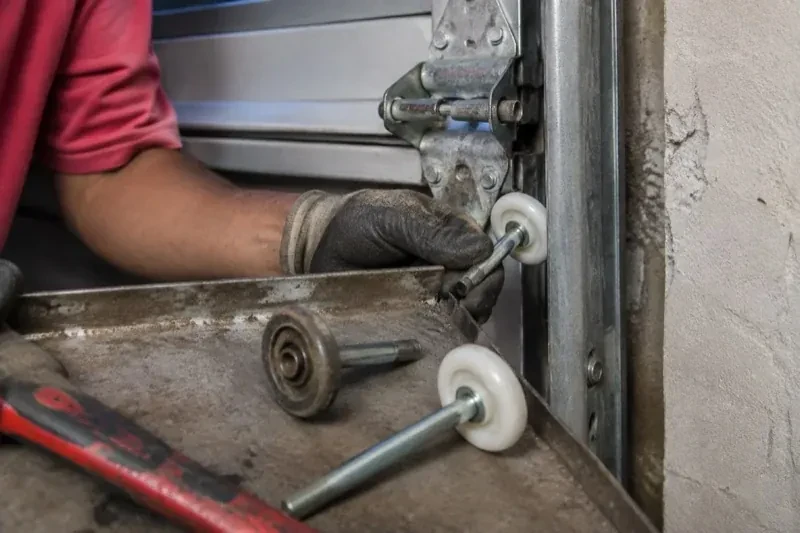
Roller replacement changes the small wheels that guide each section of your garage door along its track. A four-section residential door usually has ten of them: one at each end of the three hinge lines, one in each top fixture and one in each bottom bracket. Each is a wheel on a steel stem, commonly on ball bearings though some nylon rollers run bearingless, carrying a share of the door's weight more than a thousand times a year. When they wear, the door turns loud and rough. Fitting a matched set of new rollers, then checking the track and hinges they run in, brings back smooth and even travel.
How the visit goesHalfway up, the door hesitates and the opener strains before it carries on. Pulled by hand with the opener released, you feel the same catch at the same height, as if a wheel is dragging instead of turning.
Garage Door Roller Replacement
How the visit goes
Weight and build of the door
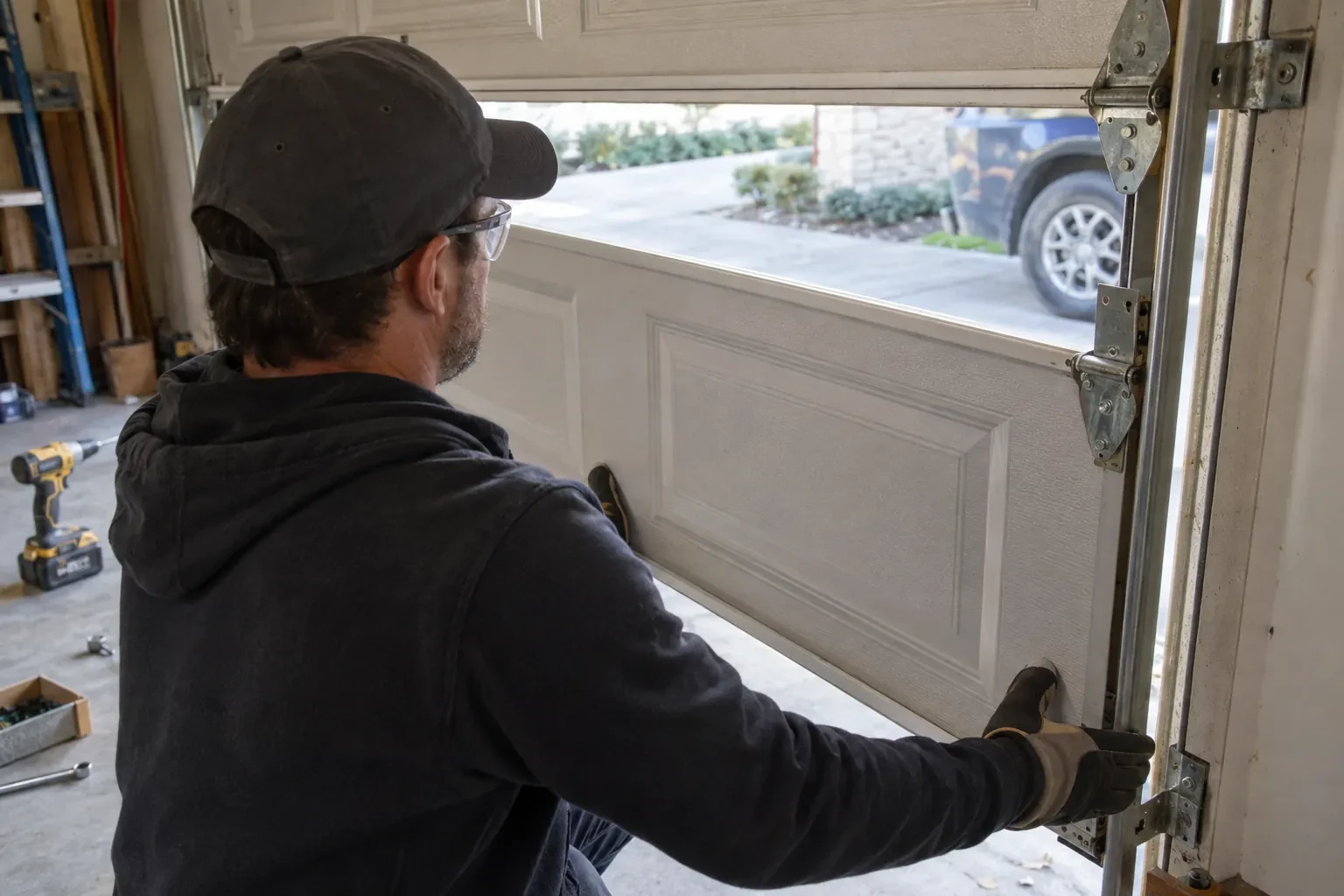
A single-skin steel door, an insulated double-skin door and a solid wood door place very different loads on their rollers, and the top rollers on a heavy door carry the most, since they travel furthest along the horizontal track under load. The technician identifies the door's construction and approximate weight, checks whether the end stiles carry single or double hinges, and looks at the rating of the rollers currently fitted. Many heavier doors left the factory on light plastic wheels intended for the lightest door in the range. Matching the new set's load rating and bearing count to the actual door is what makes the replacement last.
Running it in and testing
The opener is reconnected and the door is run through several full cycles while the technician watches each wheel stay seated in its track and listens for anything left over. Balance is rechecked with the opener released. Then the opener's settings are confirmed: the force limits, which may need reducing now that the door moves so freely, and the reversal, tested against a 1-1/2 inch block laid on the floor in the door's path exactly as the industry checklist describes. Only when the door travels smoothly, seals at the top and reverses on contact is the job called finished.
Hardware tightened along with the wheels
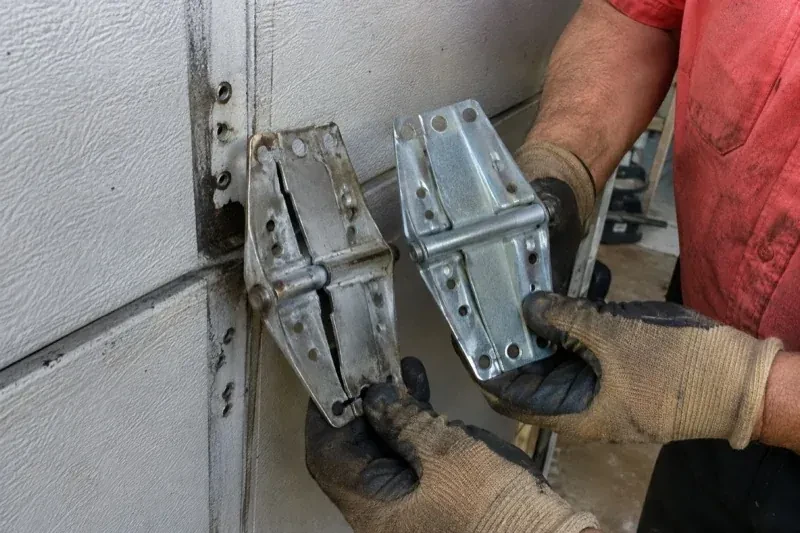
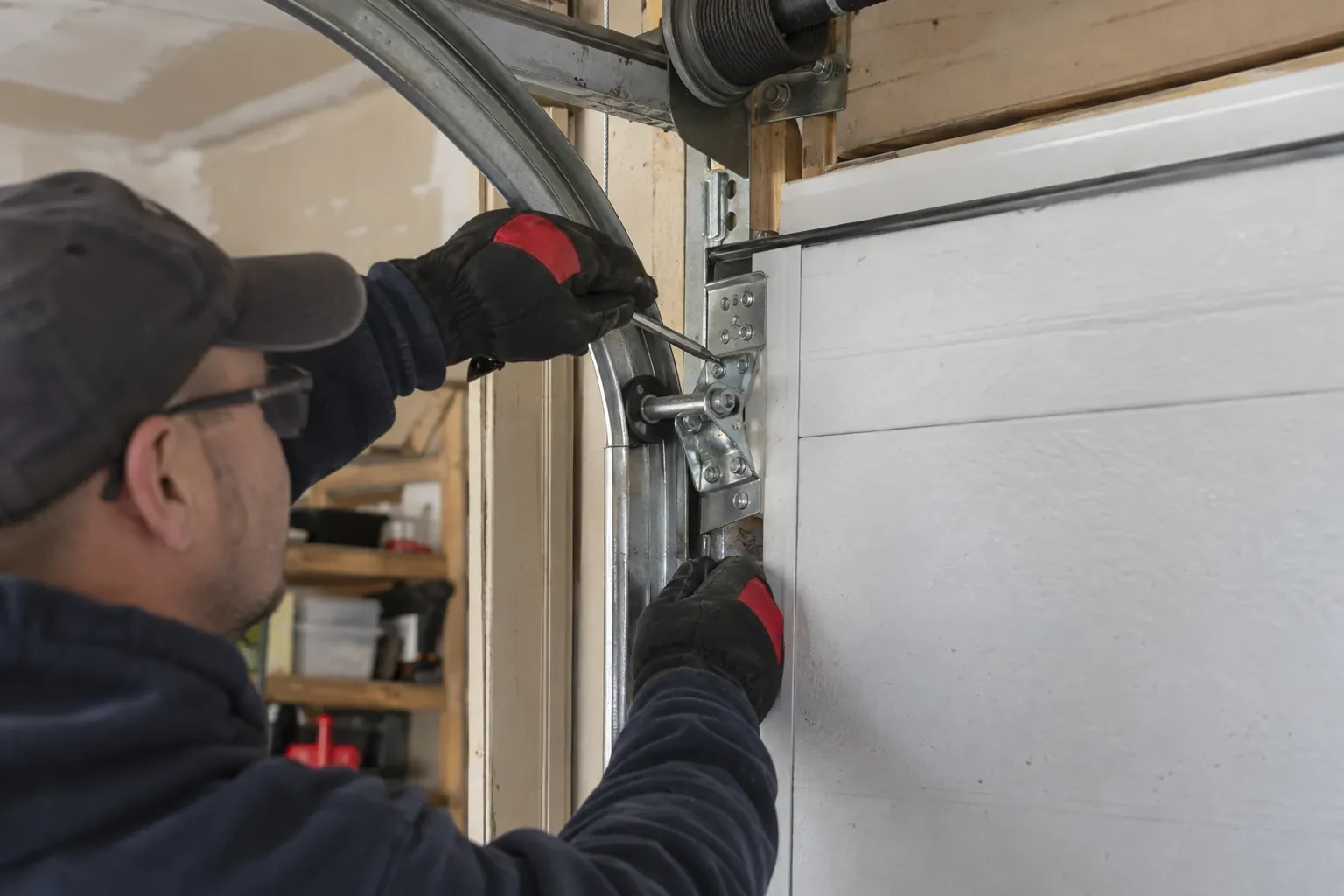
Roller replacement is a natural moment to go over the rest of the door, and you leave with more than new wheels. Every hinge fastener has been checked and snugged, loose jamb brackets have been tightened, worn hinges have been replaced with the correct numbered ones, and the top fixtures and bottom brackets have been inspected and, where corroded or bent, changed. The track has been cleared of salt and grit and squared to the door. This kind of once-over is what industry guidance means by regular service, and it is much of the reason a door feels solid again after the visit.
Garage Door Roller Replacement
In the van
Steel ball-bearing rollers
Adjustable top fixtures
Replacement numbered hinges
Track clamps or locking pliers
Long-stem rollers for double hinges
Garage Door Roller Replacement
What affects the quote
Residential or commercial track
Three-inch commercial track takes larger, heavier rollers and usually a heavier door behind them, and both the parts and the method of securing the door differ from a residential job.
Hinges that need replacing
Cracked, elongated or rusted hinges found during the inspection are replaced with the correct numbered hinge, each priced as its own item alongside the rollers.
Access around the tracks
Shelving, stored items or a vehicle that must stay in place slow the work along both tracks; clear access from floor to ceiling means less time on site.
What to have ready
- Does the door stay put at halfway when the opener is released?
- Is there rust, slush or salt residue in the bottom of the track?
- When were the springs last replaced, if you know?
Garage Door Roller Replacement: questions
QuestionsHow do winter and road salt affect rollers?
Slush carried in on the tires collects in the foot of the track and refreezes overnight, so wheels skid across ice ridges instead of turning and wear flat spots; cold thickens old grease so bearings stiffen and the opener strains; and the salt in that slush corrodes steel stems, bearings and the bottom brackets first. This is why the lowest rollers often look the worst and why sealed-bearing nylon rollers, and a clear, dry lower track, are recommended for garages that see a car every winter day.
How often should the whole door be inspected?
Industry guidance suggests a monthly visual and listening check by the homeowner, with the door closed and then in motion, and a yearly visit from a trained door systems technician who goes over springs, cables, rollers, hinges, track, balance and the opener's safety functions. Rollers themselves are worth a look twice a year, and they belong on the list whenever springs or cables are being replaced. A door used many times a day earns more frequent attention.
Can I replace just the one roller that looks bad?
One roller can be changed on its own, and sometimes that is the sensible stopgap after a wheel breaks. The better result comes from a full set, because the other wheels have done the same number of cycles and are close behind, and mixing new with old, or nylon with steel, leaves the door running unevenly and sounding different on each side. A matched set also lets the technician set every top fixture and check every hinge in one pass.
Related services
- Garage Door Track Repair or ReplacementThe door has started rubbing the frame on the left, leaving a shiny stripe down the weatherstrip.
- Garage Door Cable ReplacementThe cable has wrapped itself around the shaft above the door instead of sitting on its drum.
- Torsion Spring ReplacementOn a cold morning the remote does nothing useful: the light comes on, the motor turns briefly, the door stays shut.